


All Sights
The sights, landmarks, points of interest, entertainment and dining on the Costa Brava. Filter by type and location to quickly find places to visit on the Costa Brava coast.

Directions: Walk from the Valentina tower along Camí de Ronda for 5-10 minutes.
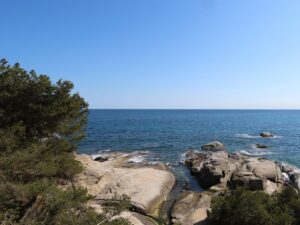
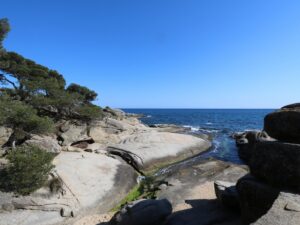
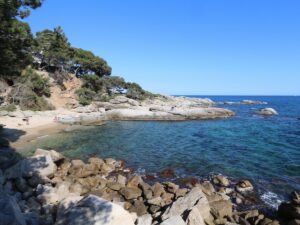
Cove of Flat Rocks (Cala de Roques Planes)
41.8327360000, 3.0915090000

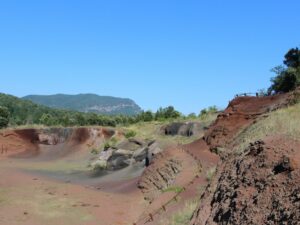

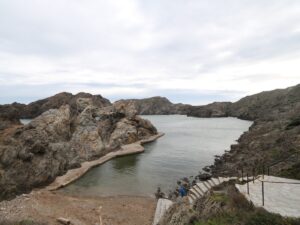
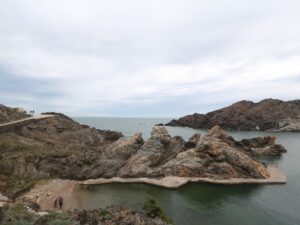
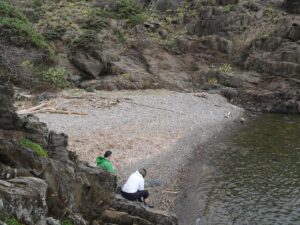
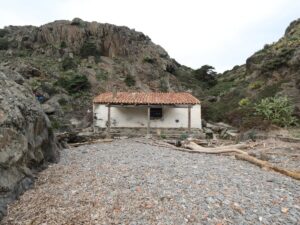

Directions: Drive to the Cap de Creus lighthouse (Far de Cap de Creus), park and walk 4 km along the highway towards Illa de Cullaró. If you have good hiking boots and decent cardio, you can also take the paths along the sea instead of walking on the road, by turning right at the coordinates 42.319759, 3.307245.
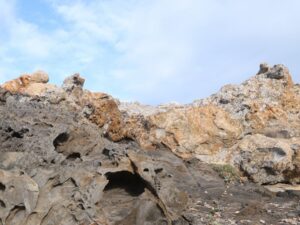
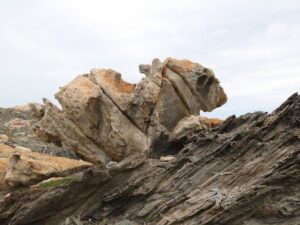
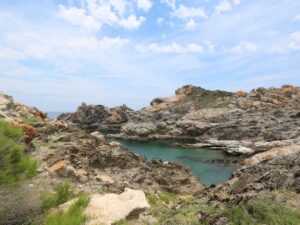
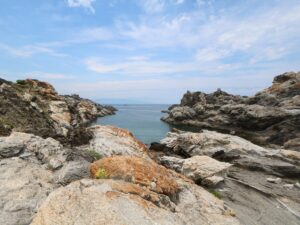
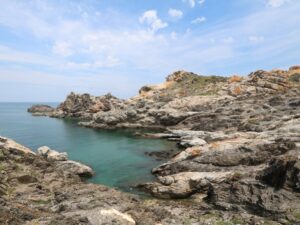
Cullaró Bay
42.3253970000, 3.3053020000
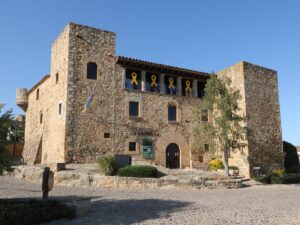
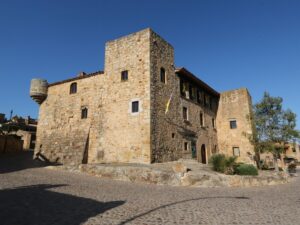
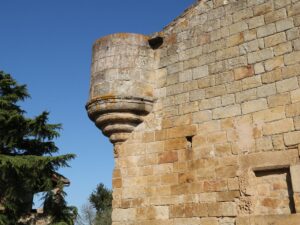
Recuits de Fonteta is a small family business that produces dairy products in a traditional way.
The main creation of Recuits de Fonteta is recuit, a type of cottage cheese that is recognized by the region as one of the staples of local cuisine — recuit appears on the list of Productes de l’Empordà.
Besides recuit, you can buy cheeses, yogurt, and desserts such as flan at Recuits de Fonteta.
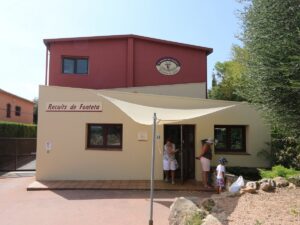
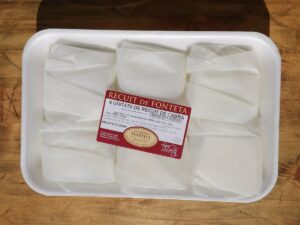
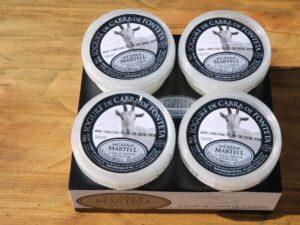
Dairy Shop Recuits de Fonteta
41.9489350000, 3.0588360000
Phone number: 972 677 500
Opening hours: official site
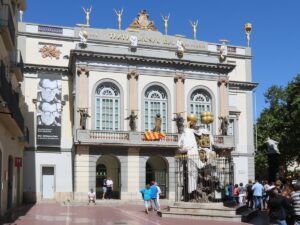
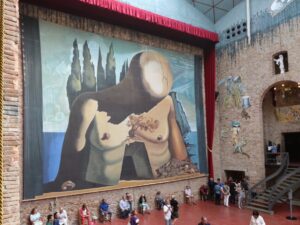
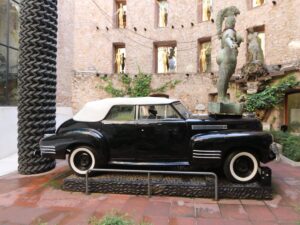
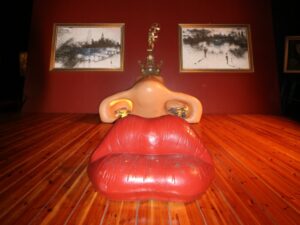
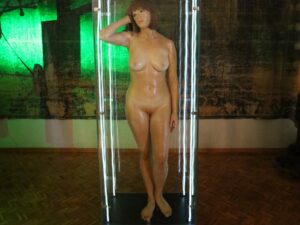
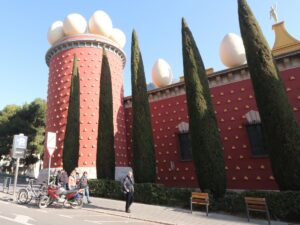
Dalí Theatre and Museum
42.2679300000, 2.9596970000
The Dolmen del Cap de l’Home dates back to 3000-3500 B.C. in the late Neolithic age. The dolmen is built from gneiss plates in a trapezoidal shape. It has become a local point of interest in Roses in the 1980s after being uncovered during an archaeological dig.
You don’t need to go on a hiking trip to see the dolmen, as it is located just 50 meters away from the street Pitágoras on the outskirts of Roses. There is a convenient parking lot nearby.
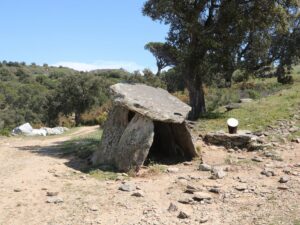
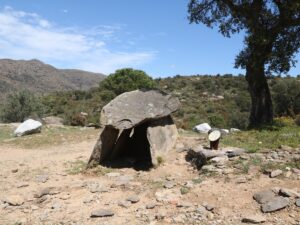
Dolmen Cap de l'Home
42.2646690000, 3.1897490000
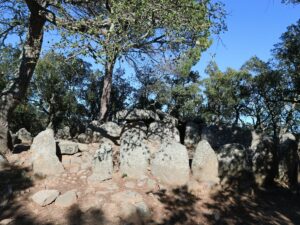
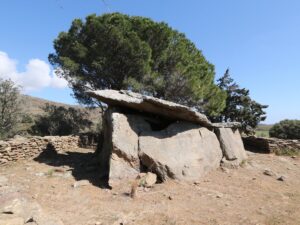
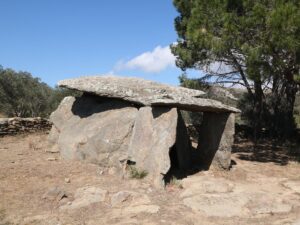
The dolmen Creu d’en Cobertella is the largest dolmen in Catalonia, dating back to 3000-3500 B.C. Discovered in 1975, it was hidden inside a round stone mound, typical for burial grounds of the late Stone Age. During the excavations, the archeologists also discovered human remains, ceramic pieces, and the Roman coin onsite.
The dolmen is formed by large gneiss plates. Two chambers that are present in the structure had most likely also had a stone hallway leading up to them, but it hasn’t survived to the modern day.
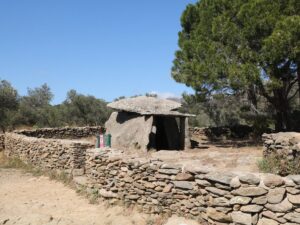
Dolmen Creu d'en Cobertella
42.2570210000, 3.1971740000
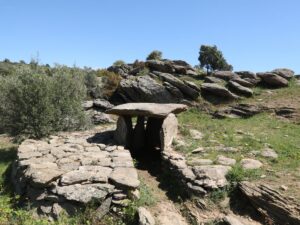
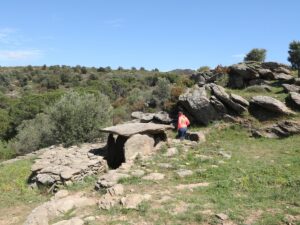
The dolmen Llit de la Generala is found 150 meters away from the dolmen Cap Home, so these two archaeological sites may be visited at once.
The dolmen dates back to 3000-3500 B.C. It consists of a semicircular chamber formed by gneiss plates and a narrow stone hallway.
Dolmen Llit de la Generala
42.2639180000, 3.1919300000
The dolmen of Doctor Pericot (Dolmen del Dr. Pericot) was discovered in 1975 and named after a renowned Catalan archeologist, Luis Pericot. Scientists date this megalith to the 3000-2500 B.C. The dolmen of Doctor Pericot is located on a hiking route in the vicinity of the church Santa Coloma de Fitor.
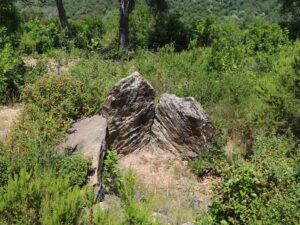
Dolmen of Dr. Pericot
41.9227550000, 3.0727830000