


All Sights
The sights, landmarks, points of interest, entertainment and dining on the Costa Brava. Filter by type and location to quickly find places to visit on the Costa Brava coast.

Phone number: 972 825 636
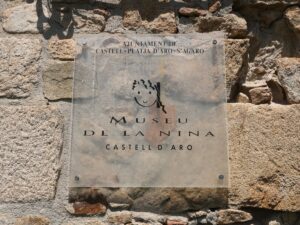
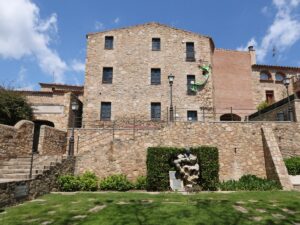
The Doll Museum of Castell d'Aro
41.8147550000, 3.0308240000

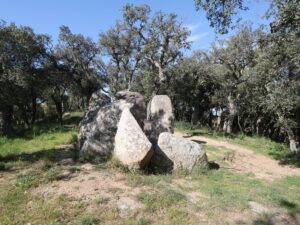
The dolmen Can Mina dels Torrents is a chamber of an irregular shape, 2.1 m long and 1.6 meters wide, covered by a large boulder for a roof. An artificial mound and a hallway leading to the chamber, structures typical for this type of archaeological object, have not survived.
The dolmen is located in a pine forest close to Palafrugell, in the pueblo of Torrents not far from the Can Mina estates (hence the dolmen’s name).
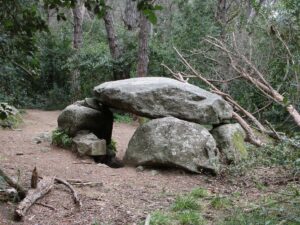
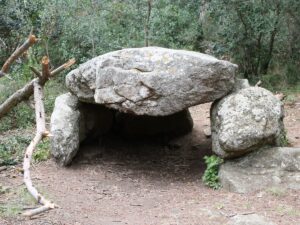
The Dolmen of Can Mina dels Torrents
41.9033436000, 3.1907341000
Phone number: 872 201 442
Opening hours: Tuesday-Sunday 10:00 am to 6:00 pm.
Closed on 1st and 6th January, 29th October, 24th, 25th, 26th and 31st December.
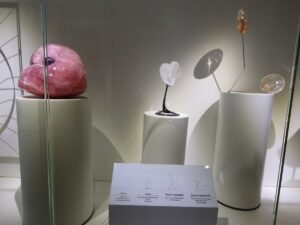
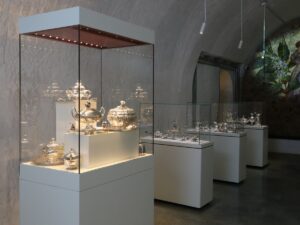
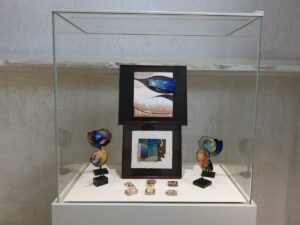
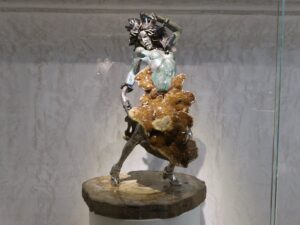
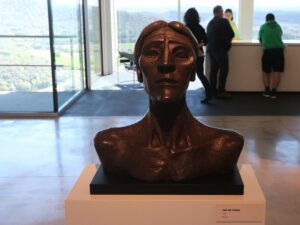
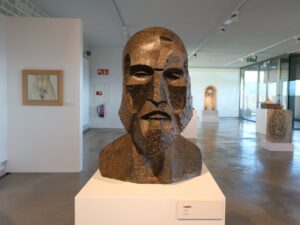
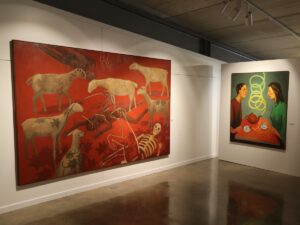
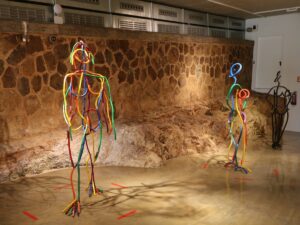
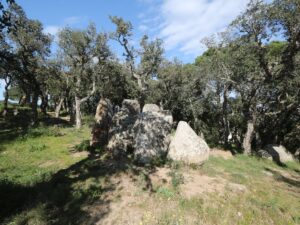
The DOR Jewelry Art Museum
42.0322210000, 2.8480770000
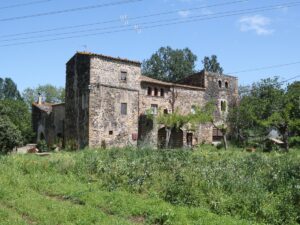
The first mention of the Farners castle (Castell de Farners) dates all the way back to the mid-9th century. Archived documents detail as follows: Ramon Berenguer the First, Count of Barcelona and Girona, hands over the building into the fiefdom of Viscount Ramon Folc of Cardona, while he, in his turn, dedicates the management of the property to another Ramon, this time Ramon Farners, as the representative of the family whose name now lives on both in the title of the castle and the town nearby (Santa Coloma de Farners).
The fortress occupies about 200 square metres of the peak Turó del Vent in the vicinity of Santa Coloma. One watchtower inside the fortification walls especially stands out, measuring 12 metres tall, 8.40 metres in diameter, and with an entrance 7 metres above ground.
The Farners castle was built specifically for defence purposes but has seen very little warring action due to its location away from the key combat routes and therefore very low strategic combat value. Unlike many other fortresses that constantly changed hands over the centuries, Farners counts only a few instances of being controlled by strangers: in 1485 and 1489 local revolting peasants occupied it for a bit, plus at the beginning of the 18th century a French garrison was stationed here post-War of the Spanish Succession.
The Farners castle made the revered list of national cultural heritage objects in 1949. Visiting the castle is absolutely free.
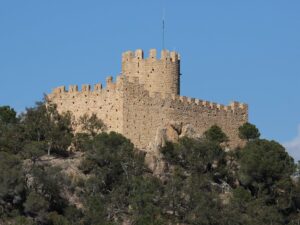
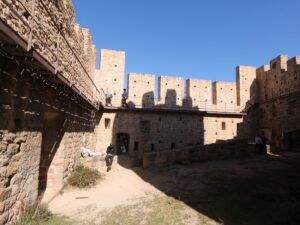
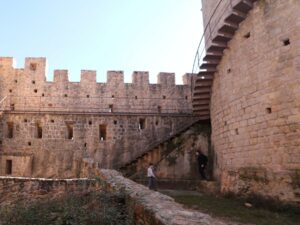
The Farners Castle
41.8603400000, 2.6310900000
Les Illes Formigues (The Formigues Islands) is an archipelago in the Palamós and Calella de Palafrugell region of the Costa Brava that got its name thanks to its shape, size and the placement of all 16 islands that form it. The Formigues Islands are uninhabited, void of plant life, visited only by seagulls and cormorants keen to sunbathe on their shores less than 1 km away from the mainland. The only human presence is that of a lighthouse whose lights flash every 9 seconds, capable of reaching ships within the 6-nautical-miles radius.
Below the sea level, however, it is much livelier. Steep water depth differences (9 to 45 meters) and numerous underwater caves have played a part in the formation of a variety of biotopes (a land or a water area with uniform environmental conditions well suited for living organisms). The presence of biotopes drove the municipal government to unsuccessfully look for funding to transform the Formigues Islands into a natural reserve in 2011.
Throughout their long existence, the islands have witnessed many shipwrecks and even sea battles, one of which is written into the glory chapter of Catalonia’s history. It was here that on August 28, 1285, the 40-galley fleet under the command of Admiral Roger of Lauria sank 30 French and Genoese boats, disrupting the supply chain of the French army and altering the course of the war between the Crown of Aragon and France.
History is silent on the fact that much bloodshed, both literal and figurative, occurred for the control of the islands, possibly because of their small size — the archipelago occupies just over 0.3 hectares of land in total — and a highly advantageous strategical position. This is why the story of “the war” between the municipalities of Palamós and Palafrugell to call the islands theirs reads more like an anecdote than a fact.
The heated dispute between the towns had reached the High Tribunal of Spain. Each party had different reasons to litigate: one has fished around the island for centuries, while the other has had the islands as a backdrop since time immemorial… In the end, any verdict would have changed very little in the lives of locals and the tourists who come to enjoy the Costa Brava every season. The court ruled in favour of the 1717 agreement stipulating that one half of the archipelago belonged to Palamós and the other one to Palafrugell, ending the feud for good.
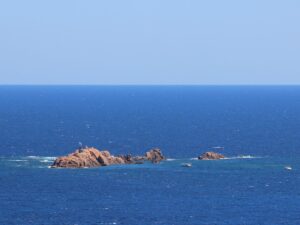
The Formigues Islands
41.8626450000, 3.1857840000
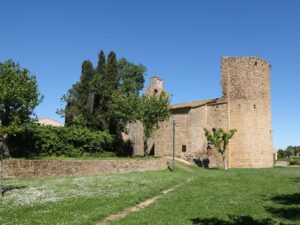
The Fortified Church of La Tallada
42.0800430000, 3.0558100000
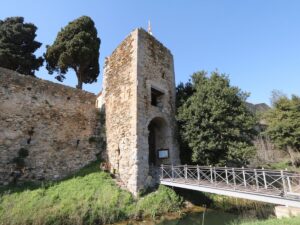
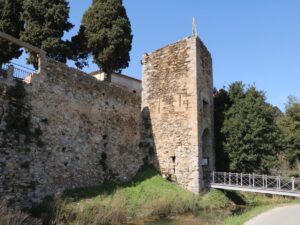
The beach Platja d’en Goixa, found to the north of the village of Colera, is known locally as the Beach of the Dead (Platja dels Morts). At the beginning of the 20th century, this now-independent municipality was part of the neighbouring Portbou. Recently deceased locals used to be transported by sea to Colera while the hearse boats were offloaded here, on the beach of Platja d’en Goixa.
It is a large beach, measuring 350 m in length and 30 m across, with dark grainy sand coverage. Thanks to the proximity of the town and a railway station, it gets crowded in the high season as it is possibly the most family-friendly beach in the northern Costa Brava. In summer, a café is open right on the beach.
In 1994, a small sculpture garden was opened atop the cliff that splits the beach in half. The garden, called Art Parc, features the works of Catalan master Joan Padern. Another notable point of interest on Platja d’en Goixa can be found underwater: 25 m away from the shore, at a relatively shallow depth, diving lovers may discover a veritable forest of the seagrass Posidonia.
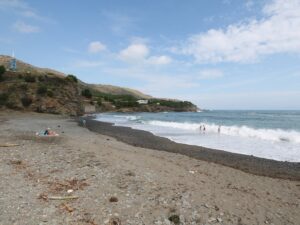
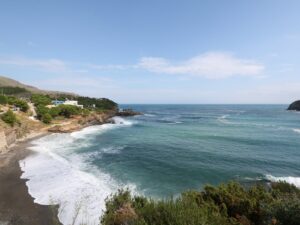
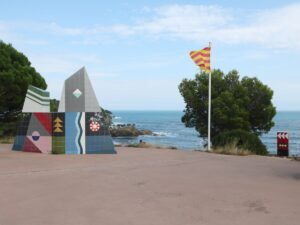
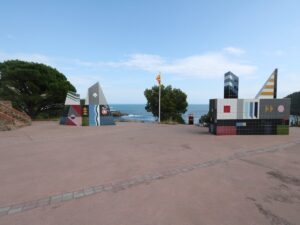
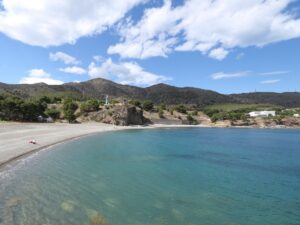
The Goixa Beach (The Beach of the Dead)
42.4057030000, 3.1557160000
Phone number: 607 237 911, 667 292 500
Guided visits (16th September to 14th June): Sundays and holidays 12:00 pm
Guided visits (15th June to 15th September): Thursday-Sunday 7:00 pm

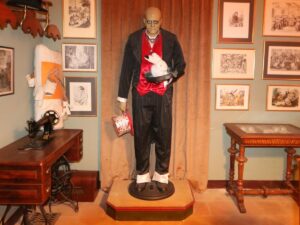
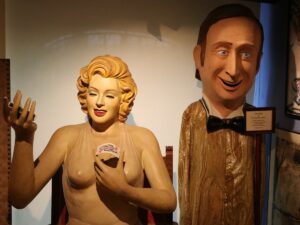
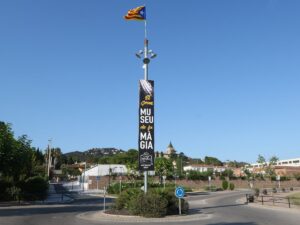
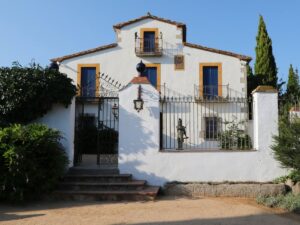
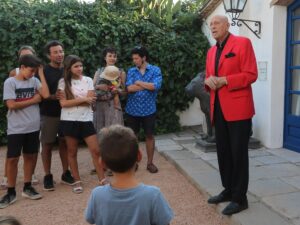
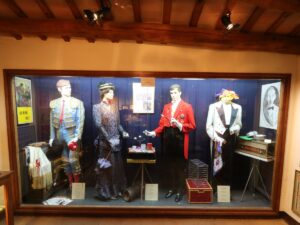
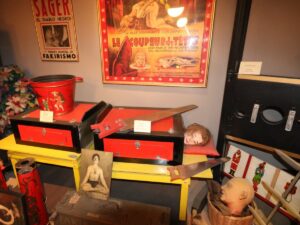
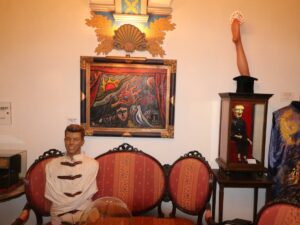
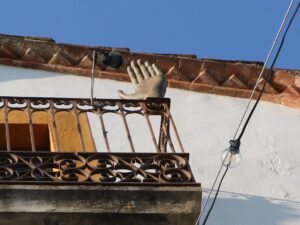
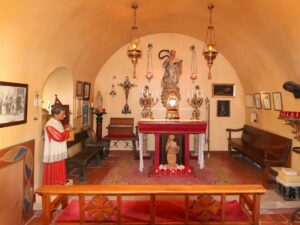
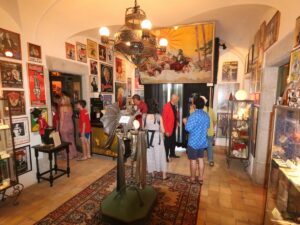
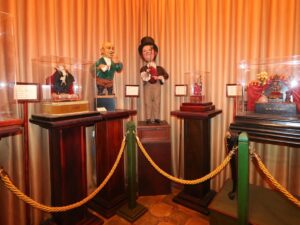
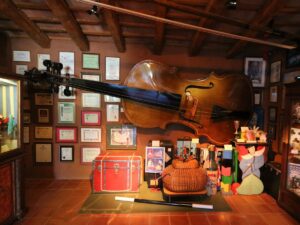
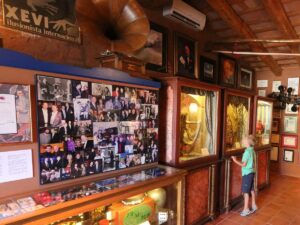
The Great Museum of Magic
41.8147360000, 3.0012520000
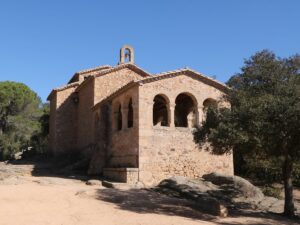
The hermitage of Farners (Ermita de Farners) is one of the most revered churches in Santa Coloma de Farners. Despite being located outside of the town borders, with no less than a 15-minute drive from the town centre required, it’s the preferred spot for weddings for many local couples.
Only a part of the original building constructed in the 12th century remains, including the nave and a semicircular apse. In the 18th century, the building underwent an expansion in the Barocco style.
The church was consecrated in 1200 and devoted to Mother of God of Farners (Mare de Déu de Farners).
Right next to the church stands another notable local sight, the Farners castle.


The Hermitage of Our Lady of Farners
41.8600200000, 2.6328400000