

All Sights
The sights, landmarks, points of interest, entertainment and dining on the Costa Brava. Filter by type and location to quickly find places to visit on the Costa Brava coast.

Directions: From the Castell de Plaja on the northern end of the city beach, walk 5 minutes along Camí de Ronda.
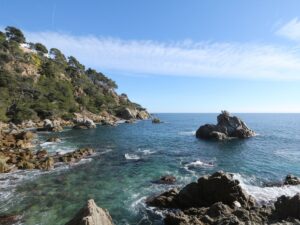
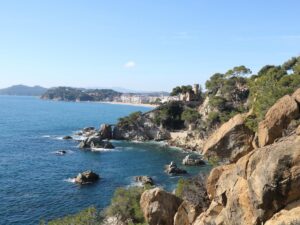
Cala dels Frares
41.6992450000, 2.8605180000
Directions: The coordinates (41.866668, 3.171004) correspond to the parking lot near which you will find access to the cove, but avoid the Cap Roig botanical gardens on the way as the road quality requires a sports utility vehicle. Instead, take highway C-31 towards exit 328 for Castell, then enter “Cala Estreta” into Google Maps. The road leading to the cove may appear as Camí de la Fosca or Ruta dels Xalets depending on your GPS.
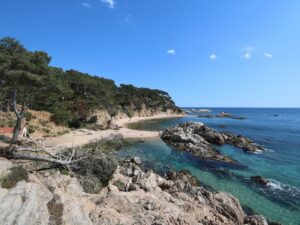
Cala Estreta
41.8654010000, 3.1730720000
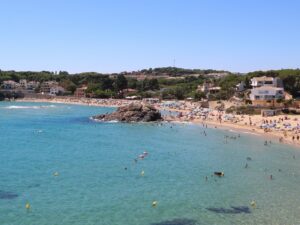
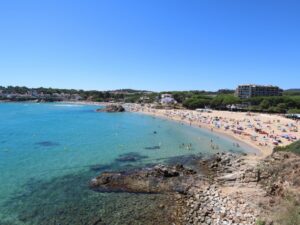
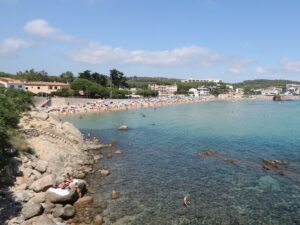
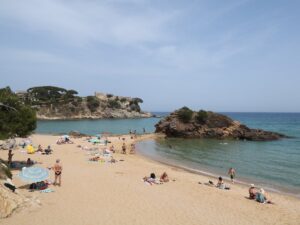
The beach of La Fosca (Cala La Fosca) is beloved by locals and visitors of Palamós alike. It’s a long (500 m) and wide (40 m) stretch of sand with shallow sea access—here, the depth of the water increases gradually, making it an ideal spot for families with small children just learning to swim. The beach is equipped with wheelchair ramps, showers and even a kayak rental point. La Fosca is one of the best beaches for families in all of Costa Brava.
The surrounding area is not very densely populated and has some hidden architectural gems such as the Church of Santa Maria de la Fosca, Casa Matamala and the Casa Vilahur mansion.
Cala La Fosca
41.8568170000, 3.1429780000
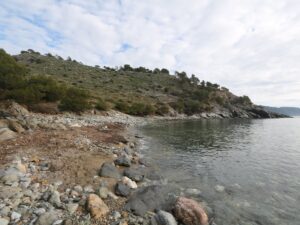
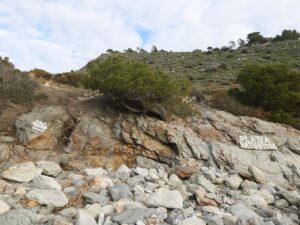
Directions: Drive from Roses along Carretera a Montjoi towards the point (42.243948, 3.222508) where you may park and hike down for about 15 minutes.
Cala Murtra
42.2398270000, 3.2247900000
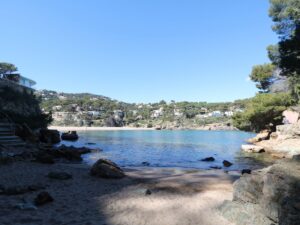
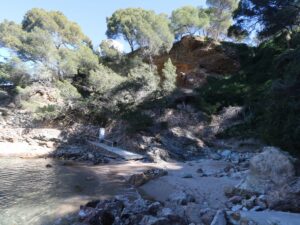
Cala Port des Pi is a small cove (30 by 10 meters) a few minutes’ walk away from the Sa Riera beach.
It is a popular spot so you aren’t likely to be alone with nature here during the high season, but it is definitely a more intimate spot than Sa Riera. Snorkeling lovers have a good chance of spotting an octopus when diving.
Cala Port des Pi
41.9735640000, 3.2130440000
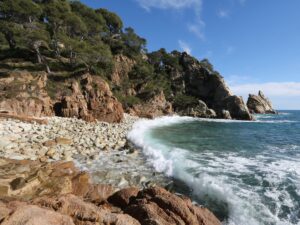
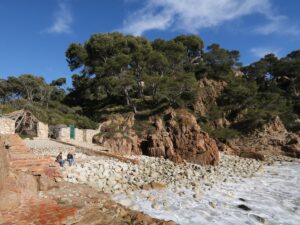
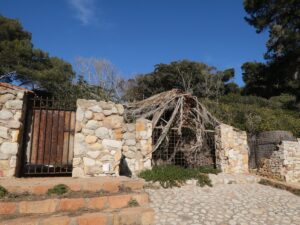
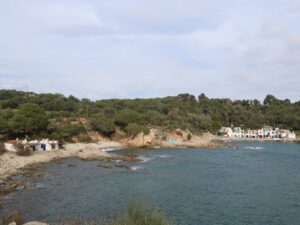
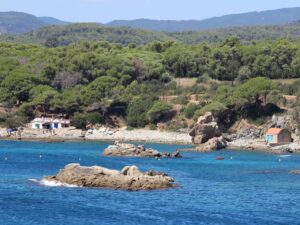
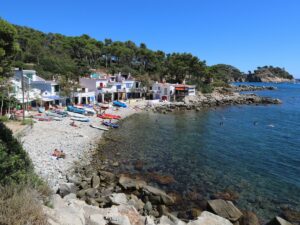
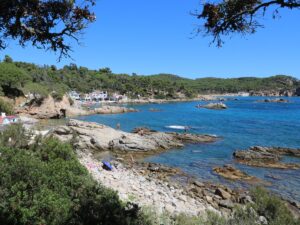
In 2004, the cove Cala s’Alguer that lies three kilometers northeast from Palamós was singled out from hundreds of coves in the Costa Brava and added to a list of places of national significance (Béns Culturals d’Interès Nacional).
The pueblo that formed here in the 16th century is still alive and well. Fishermen’s huts, boat sheds, fishing nets laid out for drying and repair, fish pots — not much has changed in three hundred years, besides fresh coats of paint on fishers’ houses.
Cala s’Alguer owes its unique cultural status not only to the town that has stood here for five centuries but also to its picturesque surroundings — a looming pine forest, a small cozy beach, and crystal clear Mediterranean waters.
Cala s'Alguer
41.8619710000, 3.1517730000
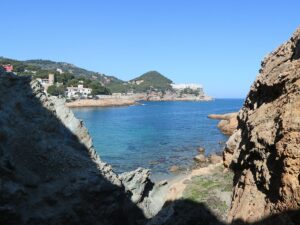
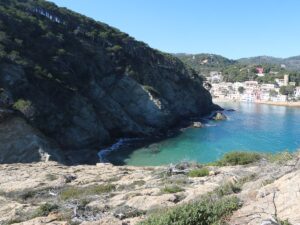
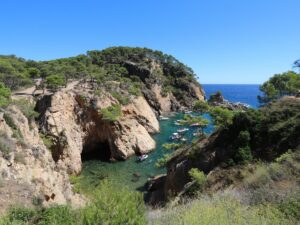
The cove Cala Ses Orats is located next to Port Fornells and can be reached within minutes along Camí de Ronda in the direction of Aiguablava.
Ses Orats is a tiny cove barely 10 meters long, but it is well-protected from the wind, which comes in handy on the days when the cold coastal wind of Tramuntana is especially active.
There is a small pier for boats built by the local residents.
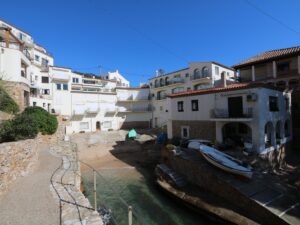
Cala Ses Orats
41.9381940000, 3.2158750000
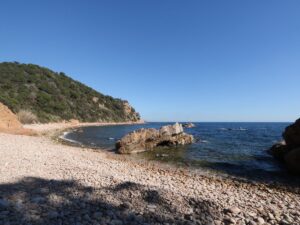
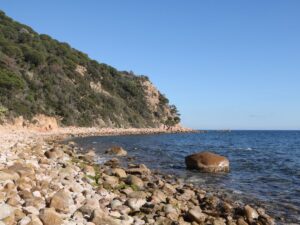
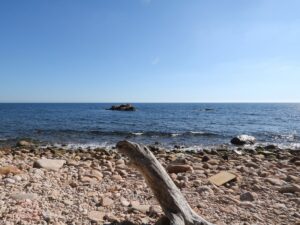
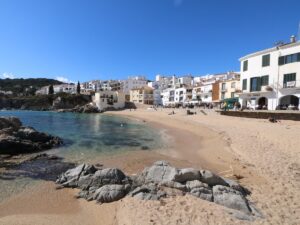
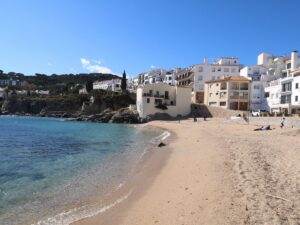
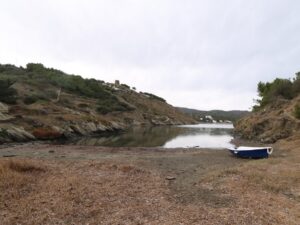
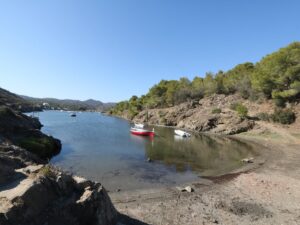
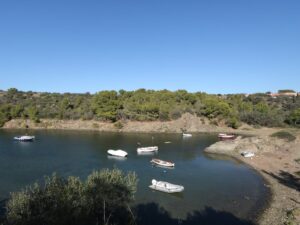
The cove of Platja des Calders is a quiet spot not far from the Museum-House of Salvador Dalí in Port Lligat, renowned for the grey tones of its pebbly beach and its quiet, clear waters.
This tiny cove (just 25 meters long and 5 meters wide) had served as the base of a scientific project studying dolphin therapy up until 1993. After the project had closed down, the Platja des Calders cove has returned to its quiet state — in the off-season, you aren’t likely to encounter any other visitors.
The easiest way to Platja des Calders is along a narrow path with the coordinates of (42.286723, 3.294986), next to house №10 on Carrer de Llança.
Calders Beach
42.2894830000, 3.2915230000