

Bays

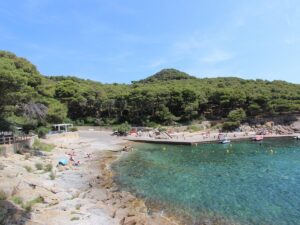
The cove of Aiguafreda (Cala Aiguafreda) is noted on a tourist map of Begur as one of its public beaches, yet in truth, it is a tiny stretch of sand that offers limited space to the visitors wanting to linger here. People coming here to spread a beach towel or lounge on the concrete slabs of a small jetty are plentiful and their desire to hang out is understandable—the views from Cala Aiguafreda are simply fantastic, from the pine forest surrounding the cove and boats gently rocking on the water to the views of cape Cap Sa Sal.
Despite its seeming tranquillity, in the high season, Cala Aiguafreda is bustling with life: rich underwater flora and fauna make the cove one of the most attractive diving destinations in the Costa Brava. Some days, over a hundred dives are registered here! Not surprising, then, to hear beachgoers complain about the hordes of divers descending on the beach in summer, crowding the area and the limited parking spots nearby. It’s quite possible that Cala Aiguafreda will soon see limits placed on the issuance of daily diving permits, as it has already happened on the Medes Islands.
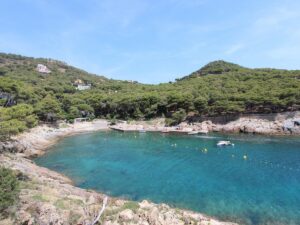

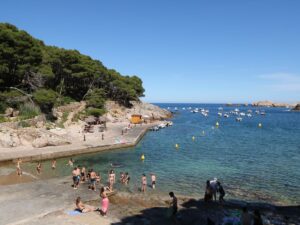
Aiguafreda Cove
41.9645360000, 3.2269940000
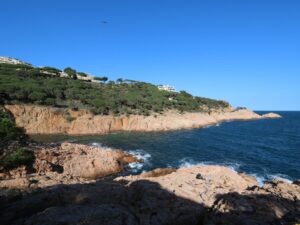
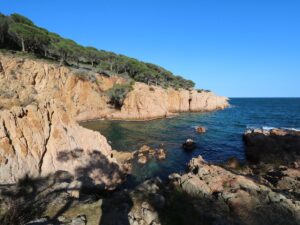
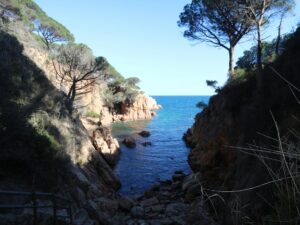
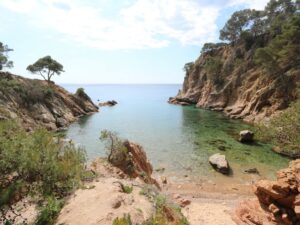
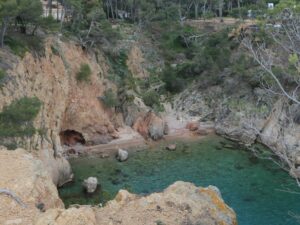
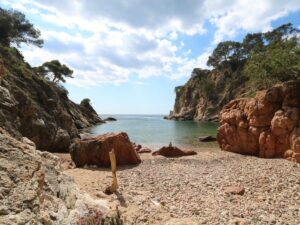
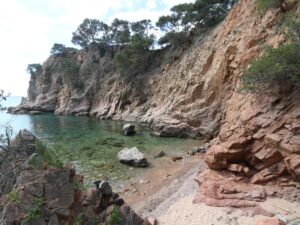
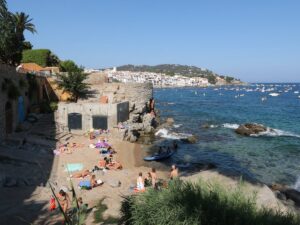
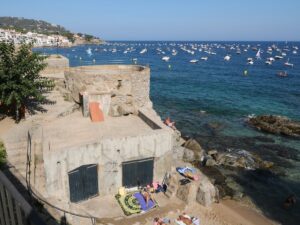
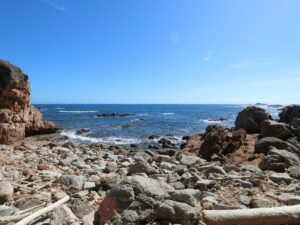
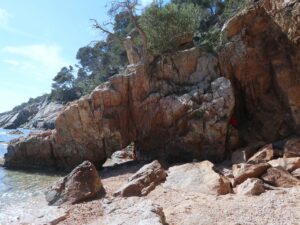
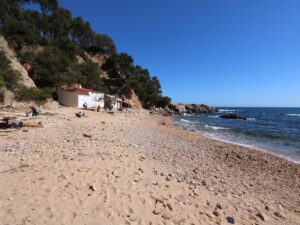
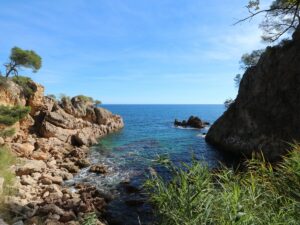
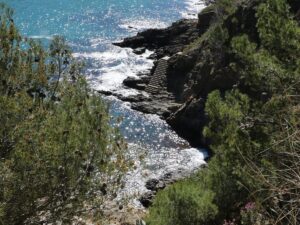
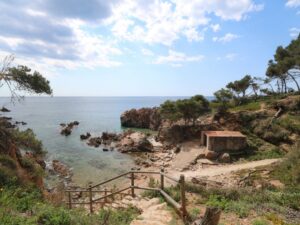
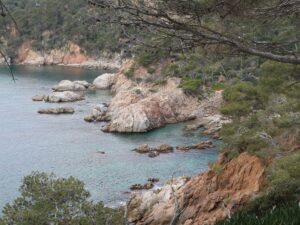
Directions: From the Castell de Plaja on the northern end of the city beach, walk 5 minutes along Camí de Ronda.
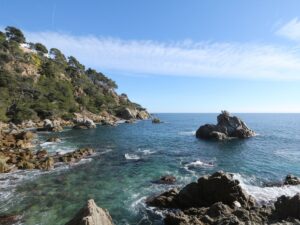
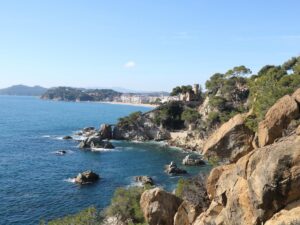
Cala dels Frares
41.6992450000, 2.8605180000
The beach of La Fosca (Cala La Fosca) is beloved by locals and visitors of Palamós alike. It’s a long (500 m) and wide (40 m) stretch of sand with shallow sea access—here, the depth of the water increases gradually, making it an ideal spot for families with small children just learning to swim. The beach is equipped with wheelchair ramps, showers and even a kayak rental point. La Fosca is one of the best beaches for families in all of Costa Brava.
The surrounding area is not very densely populated and has some hidden architectural gems such as the Church of Santa Maria de la Fosca, Casa Matamala and the Casa Vilahur mansion.
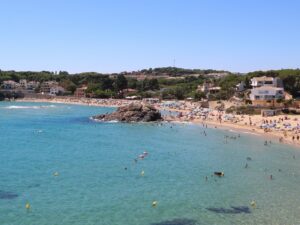
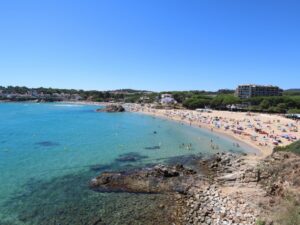
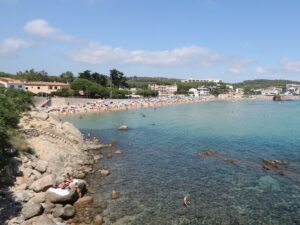
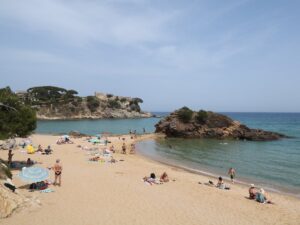
Cala La Fosca
41.8568170000, 3.1429780000
Cala Port des Pi is a small cove (30 by 10 meters) a few minutes’ walk away from the Sa Riera beach.
It is a popular spot so you aren’t likely to be alone with nature here during the high season, but it is definitely a more intimate spot than Sa Riera. Snorkeling lovers have a good chance of spotting an octopus when diving.
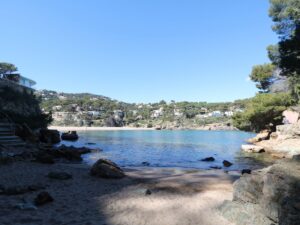
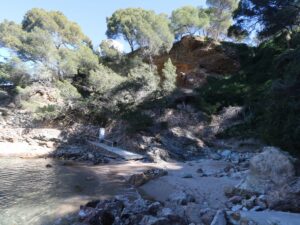
Cala Port des Pi
41.9735640000, 3.2130440000
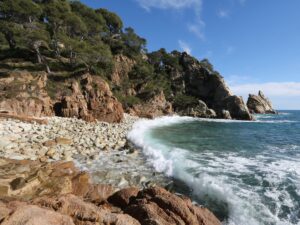
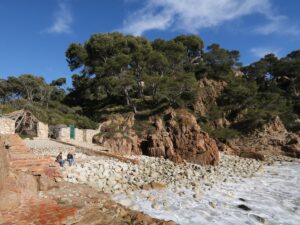
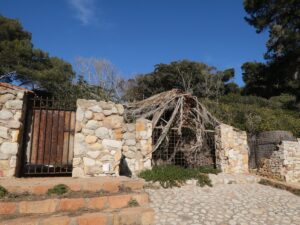
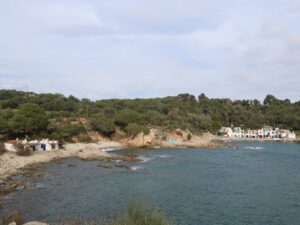
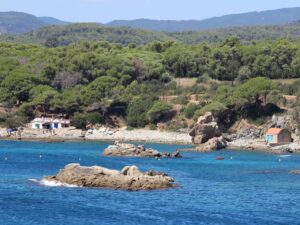
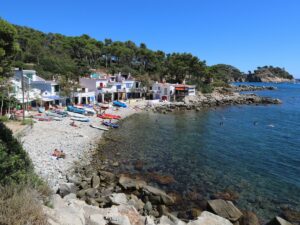
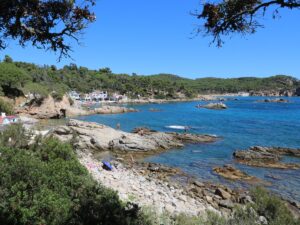
In 2004, the cove Cala s’Alguer that lies three kilometers northeast from Palamós was singled out from hundreds of coves in the Costa Brava and added to a list of places of national significance (Béns Culturals d’Interès Nacional).
The pueblo that formed here in the 16th century is still alive and well. Fishermen’s huts, boat sheds, fishing nets laid out for drying and repair, fish pots — not much has changed in three hundred years, besides fresh coats of paint on fishers’ houses.
Cala s’Alguer owes its unique cultural status not only to the town that has stood here for five centuries but also to its picturesque surroundings — a looming pine forest, a small cozy beach, and crystal clear Mediterranean waters.
Cala s'Alguer
41.8619710000, 3.1517730000