

Beaches

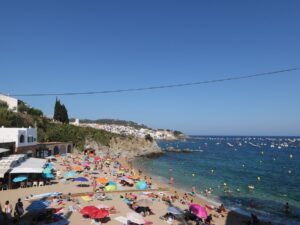
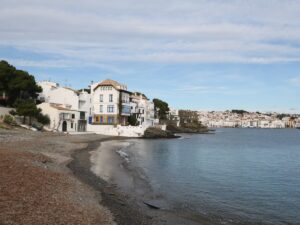
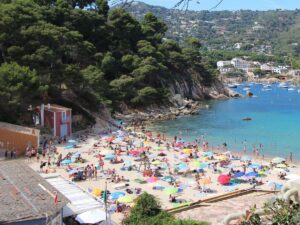
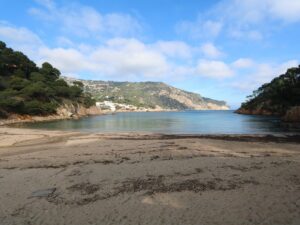
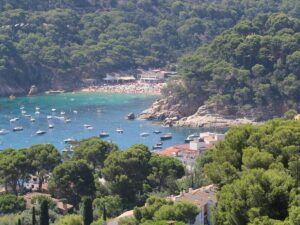
The Aiguablava cove (Cala Aiguablava), the southernmost beach in Begur, is also quite possibly the most populated, not just in the municipality, but in the central region of the Costa Brava coast in general. Partially due to the limited size of its “usable” space (75 m long and 25 m wide), the beach of Aiguablava owes a lion’s share of its popularity to the striking landscape that surrounds it.
“Aiguablava” means “blue water” in Catalan, and it couldn’t be truer here: the sea is crystal-clear and the sand has a golden hue. On the cape Punta d’es Mut to the right stands the only parador hotel in the Costa Brava, a part of the national hotel chain Paradores de Turismo de España. It was built in the 1960s, cementing Aiguablava’s reputation as a luxury destination that was specially chosen to house such an exclusive hotel, giving the owners of nearby villas an easy advantage in the popular debate of which cove or beach is the best in the Costa Brava.
The Aiguablava beach, of course, has obligatory outdoor showers, washrooms and a café at the service of visitors. Parking is also available but it can rarely accommodate everyone, so the curbs of the roads leading down to the beach become spillover, if not strictly legal, parking.
The cape Punta d’es Mut would be of interest not just to tourists but also to archaeologists, as in the mid-20th century, fragments of ceramic cauldrons, glasses and amphorae were discovered here. The cape was home to an ancient Iberian settlement, estimated to peak in the 7th century B.C.
Traces of lively activity may be seen underwater as well. In the vicinity of Aiguablava, which a long time ago had evidently served as a natural port, the specialists of the Centre of Underwater Archaeology of Catalonia (Centre d’Arqueologia Subaquàtica de Catalunya) discovered three shipwrecks that have been resting on the seabed since the 2nd century B.C., the 1st century B.C. and the 2nd century A.D., respectively. The amphorae containing wine and oil discovered among the wrecks became notable museum exhibits, while their copies were thoughtfully arranged in the shallow waters nearby in a nod to numerous divers visiting here.
Aiguablava Beach
41.9341080000, 3.2162190000
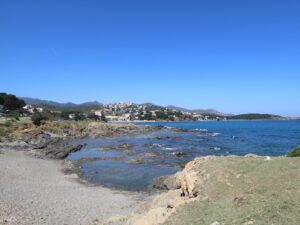
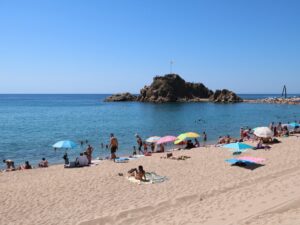
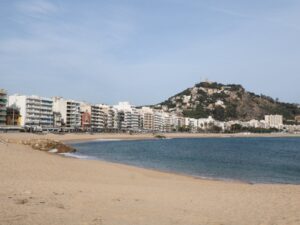
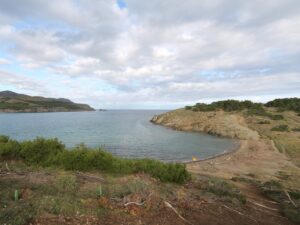
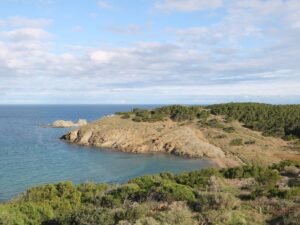
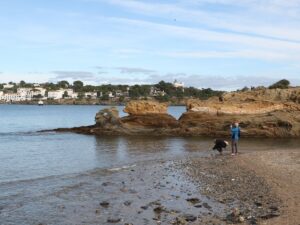
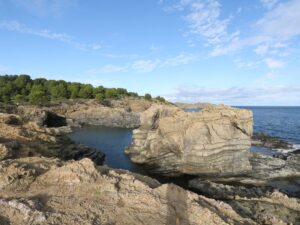
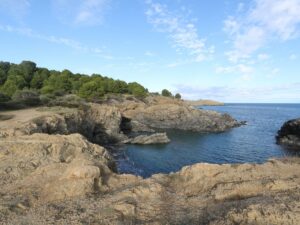
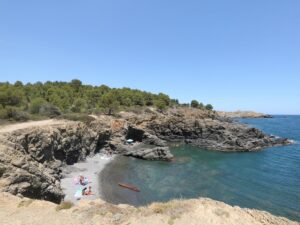
The Bramant cove, or Cala Bramant, found in the northern part of the Costa Brava coast between Colera and Llançà, is one of the most picturesque in the area. The locals often call it by a different name—Cala dels Enamorats, or the Cove of Lovers—because of the many rocks surrounding the cove for maximum privacy. The cove is connected to the sea by a narrow channel which makes it look like a giant bathtub.
The closest residential area is a half-an-hour walk away along narrow trails and a country road. The beach in the cove is a wild one; no services or city beach amenities are to be expected here. The beach is sandy but has a rocky bottom underwater, so entering the water is a cautious affair. Some daredevils use the tall cliffs around the cove to spectacularly dive down instead.
Directions: Follow the highway N-260 northbound, turn right at the coordinates (42.388598, 3.158109) towards Carrer Sant Miquel de Colera and follow the road signs until the point with the coordinates (42.385298, 3.159507). From here, continue northwest on foot—the walk to the cove will only take about 5 minutes.
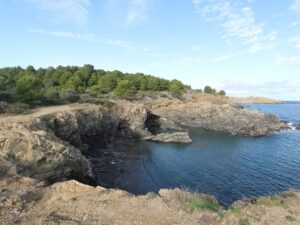
Bramant Beach
42.3860960000, 3.1624760000

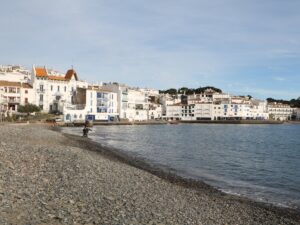
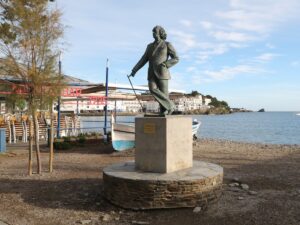
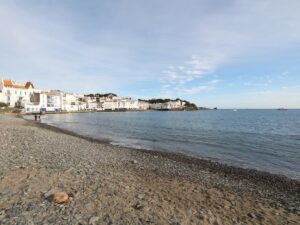
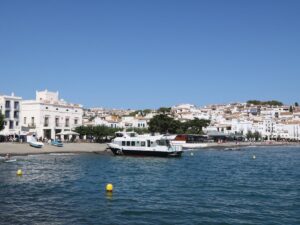
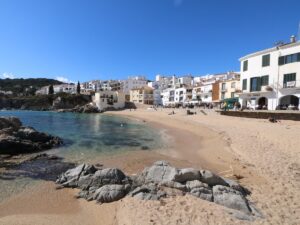
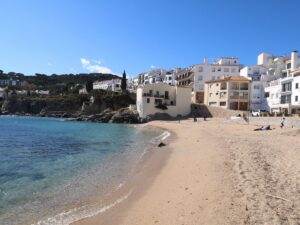
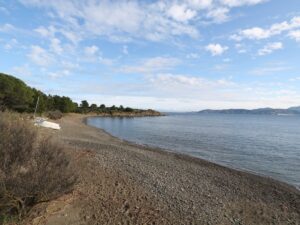
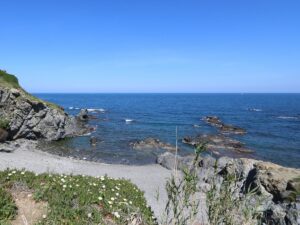
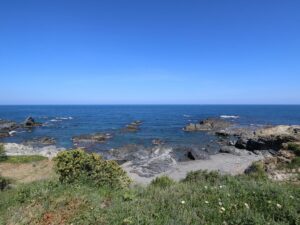
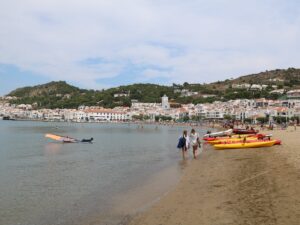
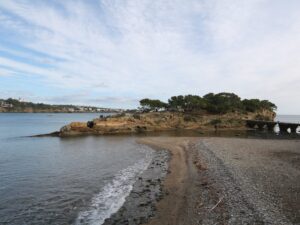
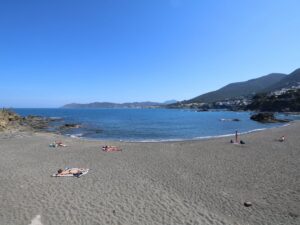
The Castell Beach (Platja del Castell) is a large sandy beach that lies to the north of Palamós, in a relative distance from residential areas. You can reach it by car (the nearby parking is paid in summer) or walk along Cami de Ronda from La Fosca beach for about 20 minutes. This spot is so popular in the Costa Brava that in 1994, in a referendum, the locals successfully rejected a proposal to build a golf course here.
In the near vicinity of the Castell beach, you can find several notable sights of the Costa Brava region: the Mas Juny estate, inseparable from several celebrity names of the 20th century, the Hut of Salvador Dalí that he, nonetheless, never used for painting, and the Iberian ruins of Castell (Poblat ibèric de Castell) that were located here from the 6th century B.C. to the 1st century A.D.
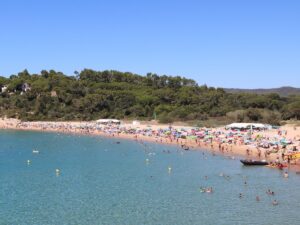
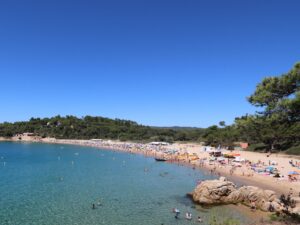
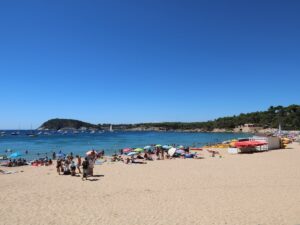
Castell Beach
41.8625080000, 3.1561620000