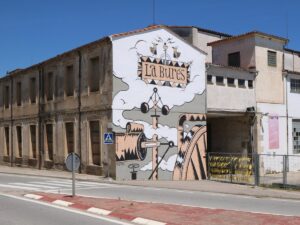


Museums

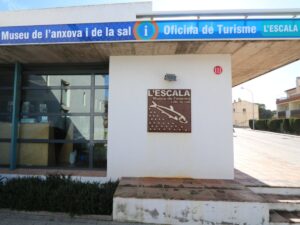
L’Escala is one of the few resorts on the Costa Brava renowned not only for its idyllic beaches and remarkable Roman ruins but also for its delicious food: “anchovies from L’Escala” is a signature regional offering akin to “wine from Priorat”, “prawns from Palamós” and “chickens from Empordà”. No wonder then that the Anchovy and Salt Museum (Museu de l’Anxova i de la Sal) — the only museum in town — is dedicated to fishing and the art of salting and pickling.
The first fishing harbour was built here back in the 16th century to service the needs of fishermen from nearby towns. In 1680, the first stone of a church foundation was laid here, thus giving the small settlement town status. Active fishing and bustling trade helped L’Escala to grow fast — over the course of the 18th century, the town quadrupled in size and became a desirable destination for folk looking for fishing work: many peasants from surrounding regions would abandon their lands, gardens and farms to move to L’Escala and join the ranks of local fishermen.
Until the 1960s, every adult resident of L’Escala either sailed out to sea every morning or salted anchovies and sardines at one of the specialized local factories. Spain was hit with a tourism boom in the sixties, causing the younger generation to reconsider the town-wide business model — many got to work in hospitality instead. Today, the fishing fleet at L’Escala consists of just over fifty fishing boats. The salting factory count is eight; all of them have moved outside the town border so as not to impede the flood of beach vacationers descending on the Costa Brava every summer.
The brand ANCHOA DE L’ESCALA is officially recognized with INDICACIÓN GEOGRÁFICA PROTEGIDA, a system of certificates that are used in Spain to distinguish products of the highest quality with known origins. In the case of L’Escala anchovies, this seal of approval also signals the absence of artificial flavours or preservatives in the tin — the anchovies are salted according to the traditional recipes and techniques.
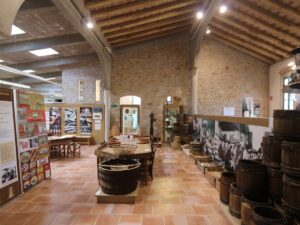
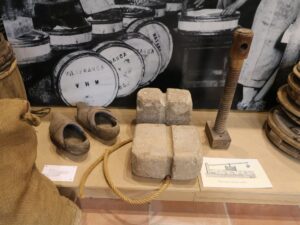
Visiting the Anchovy and Salt Museum in the Costa Brava would be immensely pleasing to fishing fans and amateur chefs alike. For the former, the museum has an exhibit on fishing techniques, netting and bait, as well as the history of local fishing and the evolution of the fishing trade as a whole. For the latter, traditional salting and pickling recipes are documented, with all the necessary “equipment” — salt, water, paper, wooden and clay containers — readily on display.
Visitor information
Address: Avinguda Francesc Macià, 1 | L’Escala
Phone: +34 972 776 815
E-mail: museu@lescala.cat
Visitor hours:
01.07-31.08: 10:00 am — 1:00 pm (daily), 5:00 — 8:00 pm (Monday to Saturday)
01.09-30.06: 10:00 am — 1:00 pm (Tuesday to Saturday and holiday Mondays)
The museum is closed December 25-26 and January 1 and 6.

Anchovy and Salt Museum
42.1257170000, 3.1261090000
Phone number: 972 203 834
Opening hours (October-April): Tuesday-Saturday 10:00 am to 6:00 pm, Sundays and holidays 10:00 am to 2:00 pm.
Opening hours (May-September): Tuesday-Saturday 10:00 am to 7:00 pm, Sundays and holidays 10:00 am to 2:00 pm.
Closed on 25th and 26th December, 1st and 6th January. Open on 5th January, 24th and 31st December 10:00 am to 2:00 pm.
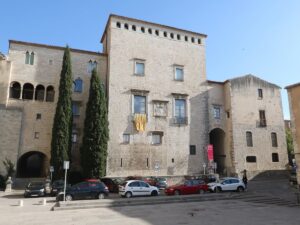
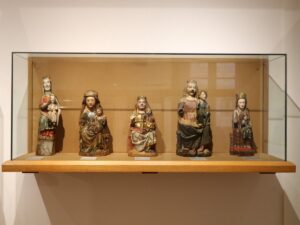
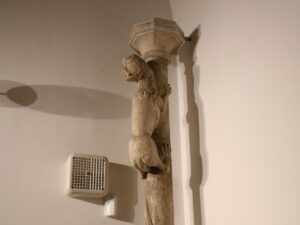
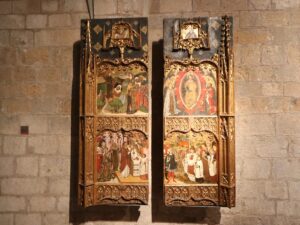
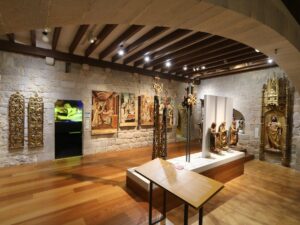
Art Museum of Girona
41.9869550000, 2.8264010000
The idea to exhibit his artworks in the wild woods instead of an art gallery has occurred to the Catalan sculptor Xicu Cabanyes back in the 1970s, at the very start of his artistic career. Visiting the Kröller-Müller Museum in the Hoge Veluwe National Park in the Netherlands, as well as Park of the Monsters in Bomarzo, Italy, has cemented the idea in the maestro’s head—since then, he has created over a hundred monuments and sculptures, now on display in the forest Bosc Can Ginebreda close to Porqueres, Girona.
Xicu Cabanyes is a renowned master of erotic sculpture, so a good half of the artworks in the outdoor “gallery” can be labelled NSFW. Medusa’s head covered in penises, tables making love, a series of sculptures titled “Secret Beauty of Vulva”, monuments titled “Lips”, “Pubis”, “Victim of Sex”, “Kiss”, “Bonded Cock”, “A Woman Disoriented”, not to mention an open dedication to Pope Francis with detailed discussions of his anatomy are all on display.
Despite the openly provocative nature of the museum’s exhibits, clearly designed to raise eyebrows, its visitors aren’t likely to be too scandalized by the artworks. The forest is too remote to receive accidental visitors looking for a fun day out with kids, while the locals know better than to go for hikes in the area unless art appreciation is specifically on their hiking agenda.
Among all the erotic works hidden among the trees, there are countless tame ones as well. Artworks like “The Maginot Line”, “A Roman Bunker”, “A Dedication to Cava”, “Chernobyl”, and “Torre de Collserola” have nothing to do with eroticism, yet account for another half of the museum collection. (The erotic half is just way more fun to write about!) Besides Xicu Cabanyes, artists like Lluís Vilà, Torres Monsó, and Moisès Villèlia have contributed their works to the collection of Bosc Can Ginebreda.
In 2009, the forest was acquired by the government and now houses not only the open-air museum but a convenient open space used for local exhibits, markets and festivals organized by the municipality. The first Sunday of September is dedicated to celebrating the forest itself. The annual fair Festa del Bosc saw its 32nd edition in 2019.
Bosc Can Ginebreda is open to visitors daily from 9 am to 6 pm in winter and to 9 pm in summer. A small admission fee is charged.
Phone: 972 582 538
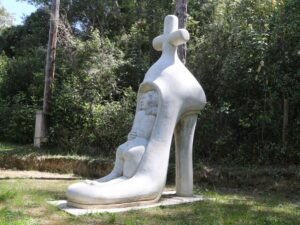
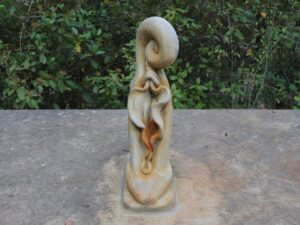
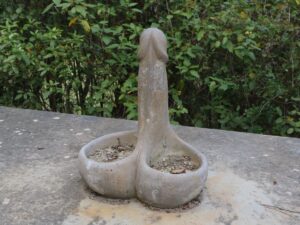
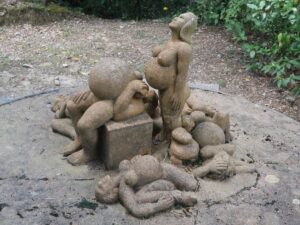
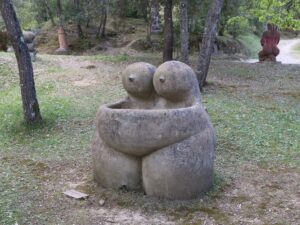
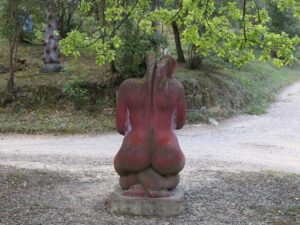
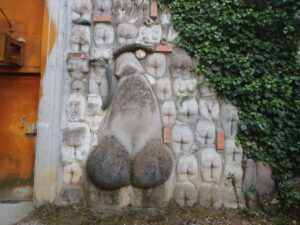
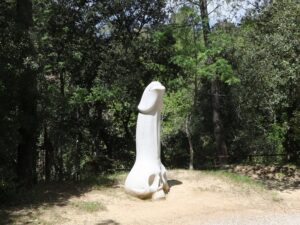
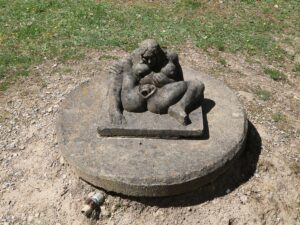
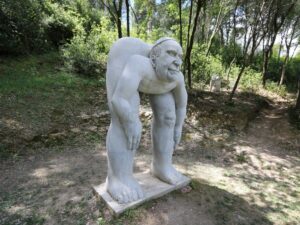
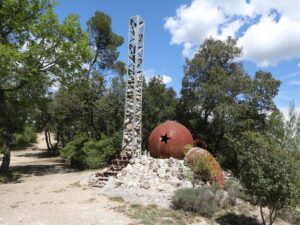
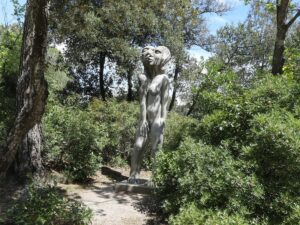
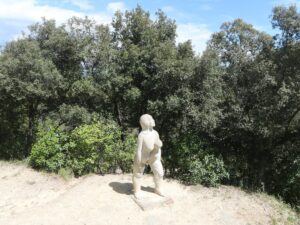
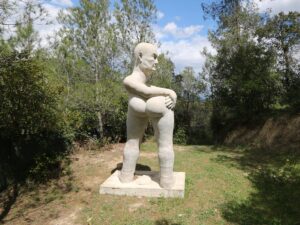
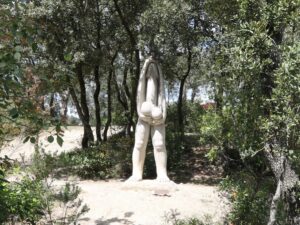
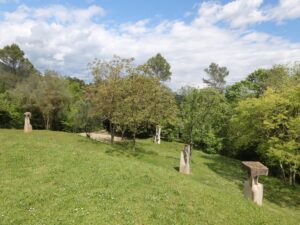
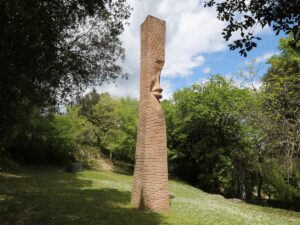
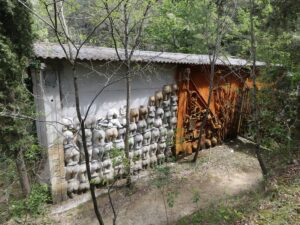
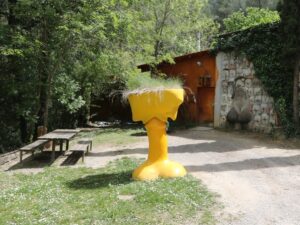
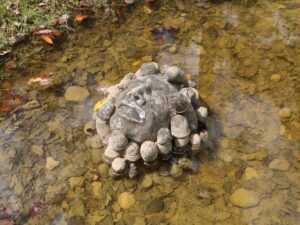
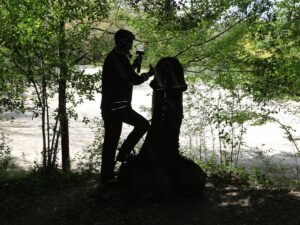
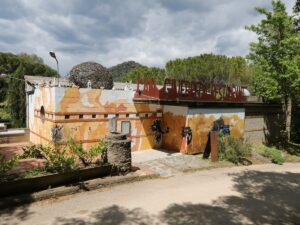
Bosc de Can Ginebreda, open air erotic sculptures museum
42.1224110000, 2.7092370000
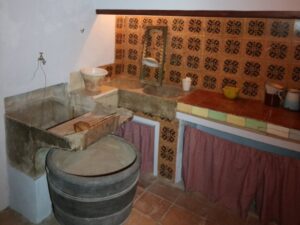
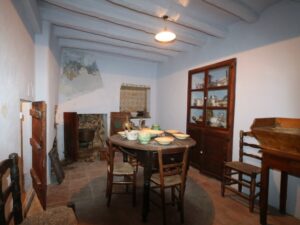
Can Cinto Xuà is a fisherman’s hut typical of an 18th-19th-century Costa Brava pueblo. Previously modest fishing villages have since become fashionable resort towns so the interiors of the huts have changed as well — modern design, expensive furniture, and decorative art have replaced fishers’ humble belongings.
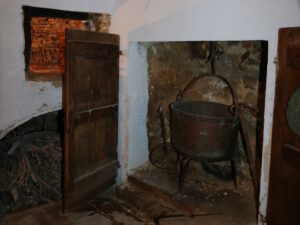
To preserve the memories of times long past, the interior of Can Cinto Xuà replicates the traditional dwelling that was common among fishermen of L’Escala, with simple furniture, fishing tools and supplies, cookware and everyday items.
Can Cinto Xuà visits are organized by the Anchovy and Salt Museum. You may leave your phone number at the museum, and when there is enough interest for a group visit, you will be invited to attend a guided tour of Can Cinto Xuà.
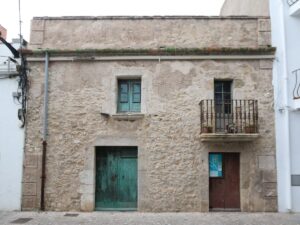
Can Cinto Xuà Fisherman's House
42.1259490000, 3.1345330000

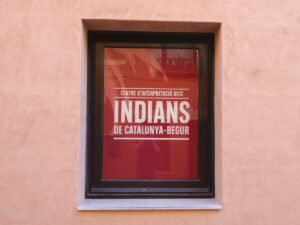
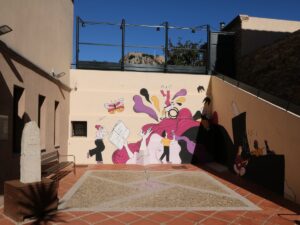
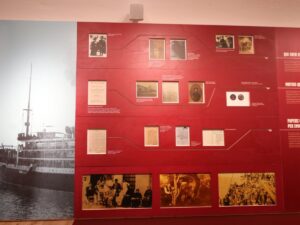
Center for Interpretation of the Indians of Catalonia-Begur
41.9545400000, 3.2086700000
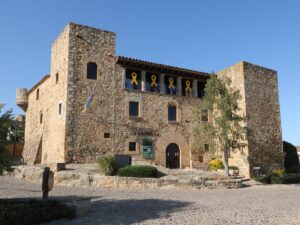
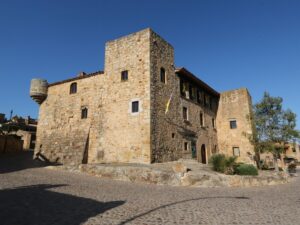
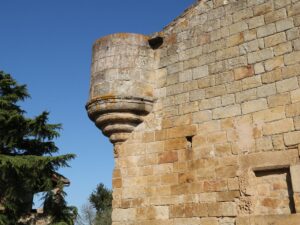
Phone number: 972 677 500
Opening hours: official site
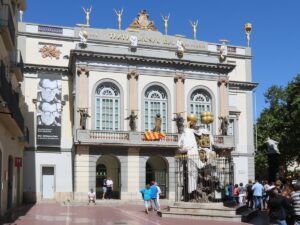
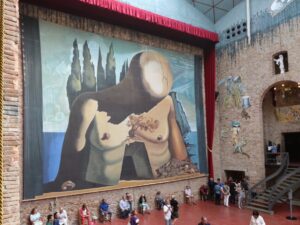
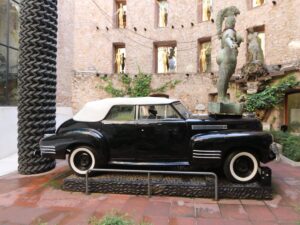
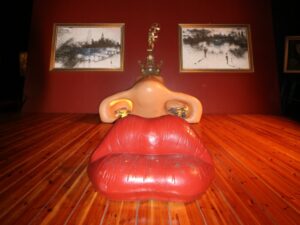
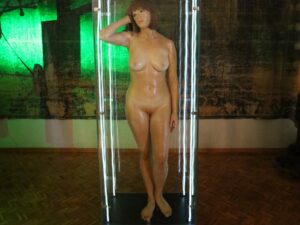
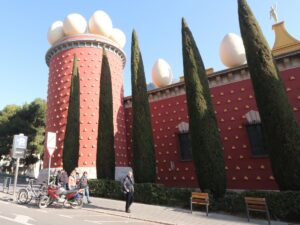
Dalí Theatre and Museum
42.2679300000, 2.9596970000
Phone number: 972 250 512
Opening hours (October-March): Tuesday-Friday 10:00 am to 2:00 pm, Saturdays 10:00 am to 2:00 pm and 4:00 pm to 6:00 pm, Sundays 10:30 am to 1:30 pm.
Opening hours (April-June, September): Tuesday-Saturday 10:00 am to 2:00 pm and 4:30 pm to 7:00 pm, Sundays 10:30 am to 1:30 pm.
Opening hours (July-August): every day 10:00 am to 2:00 pm and 5:00 pm to 8:00 pm.
Closed on 1st and 6th January, 3rd week of January, 11th September, 25th and 26th December.
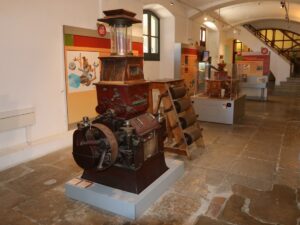
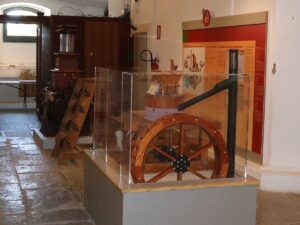
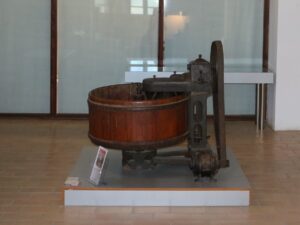
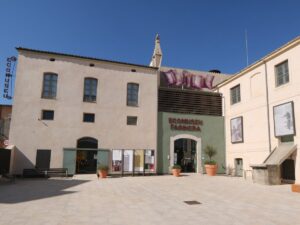
Eco-museum Farinera
42.2588110000, 3.0769660000
Phone number: 972 820 051
Opening hours (30th June to 14th July): Monday-Friday 10:00 am to 1:00 pm and 4:00 pm to 7:00 pm; Saturdays, Sundays and holidays 10:00 am to 8:00 pm.
Opening hours (15th July to 8th September): every day 11:00 am to 9:00 pm
Opening hours (9th September to 13th October): Monday-Friday 10:00 am to 1:00 pm and 3:00 pm to 6:00 pm, Saturdays and Sundays 10:00 am to 8:00 pm.
Espai Carmen Thyssen
41.7800380000, 3.0263950000
Phone number: 972 860 908
Ethnological Museum of Montseny
41.8160370000, 2.5136920000
Phone number: 972 488 655
Opening hours: official site
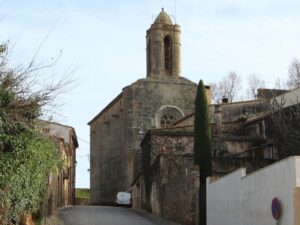
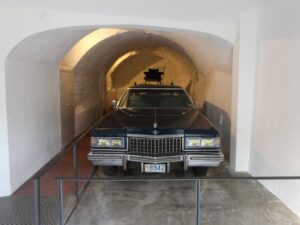
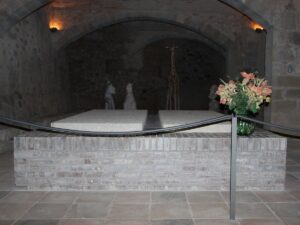
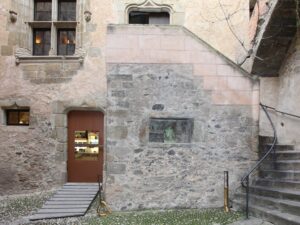
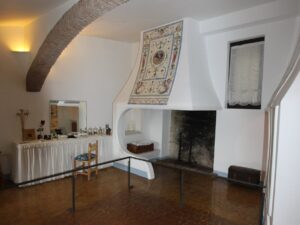
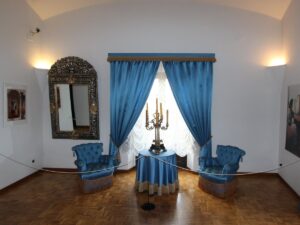
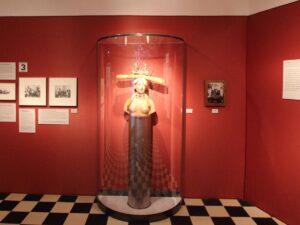
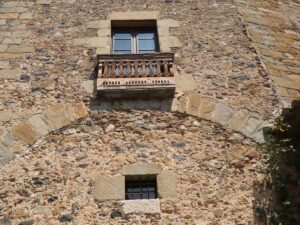
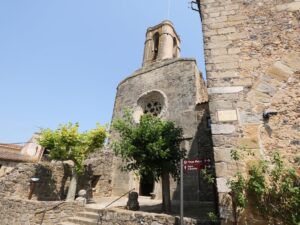
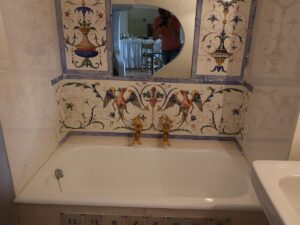
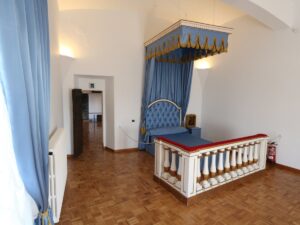
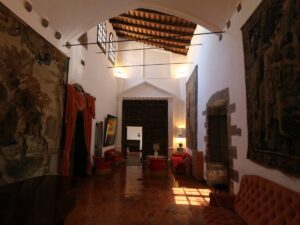
Gala Dalí Castle in Púbol
42.0146020000, 2.9832430000
Phone number: 972 869 447
Opening hours: Tuesdays and Thursdays 10:00 am to 1:00 pm and 4:00 pm to 6:00 pm, Saturdays and Sundays by appointment only.
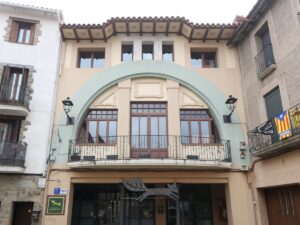
Guilleries Museum
41.8792600000, 2.5093900000
Phone number: 972 821 575
Opening hours: Monday-Friday 10:00 am to 2:30 pm, Saturdays 10:00 am to 2:00 pm and 4:00 pm to 6:00 pm, Sundays and holidays 10:00 am to 2:00 pm.
History Museum of Sant Feliu de Guíxols
41.7801080000, 3.0262300000