

Sights of Palamós

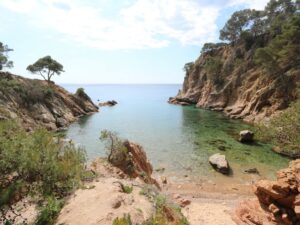
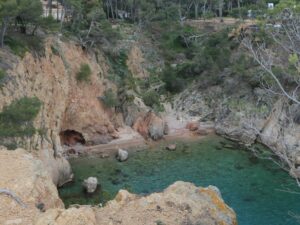
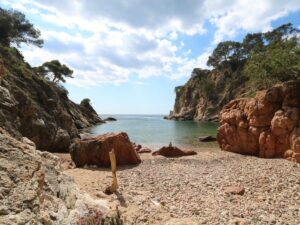
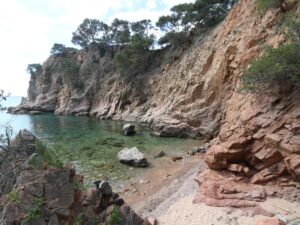
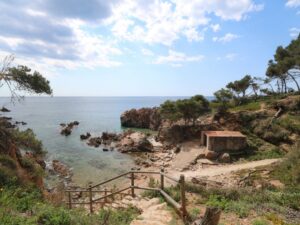
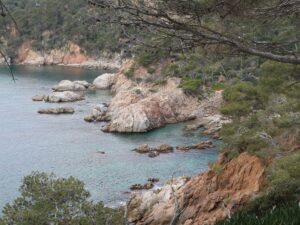
Directions: The coordinates (41.866668, 3.171004) correspond to the parking lot near which you will find access to the cove, but avoid the Cap Roig botanical gardens on the way as the road quality requires a sports utility vehicle. Instead, take highway C-31 towards exit 328 for Castell, then enter “Cala Estreta” into Google Maps. The road leading to the cove may appear as Camí de la Fosca or Ruta dels Xalets depending on your GPS.
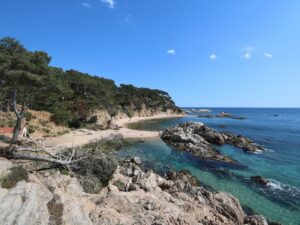
Cala Estreta
41.8654010000, 3.1730720000
The beach of La Fosca (Cala La Fosca) is beloved by locals and visitors of Palamós alike. It’s a long (500 m) and wide (40 m) stretch of sand with shallow sea access—here, the depth of the water increases gradually, making it an ideal spot for families with small children just learning to swim. The beach is equipped with wheelchair ramps, showers and even a kayak rental point. La Fosca is one of the best beaches for families in all of Costa Brava.
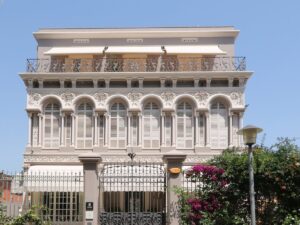
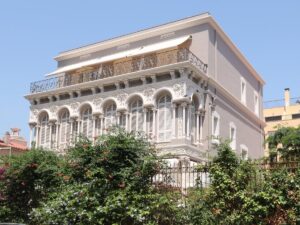
The surrounding area is not very densely populated and has some hidden architectural gems such as the Church of Santa Maria de la Fosca, Casa Matamala and the Casa Vilahur mansion.
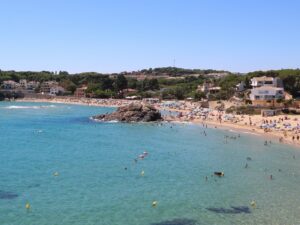
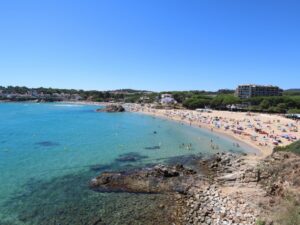
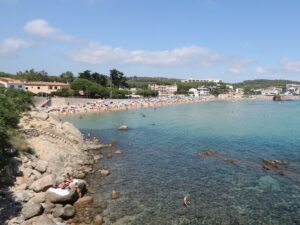
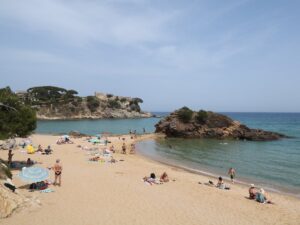
Cala La Fosca
41.8568170000, 3.1429780000
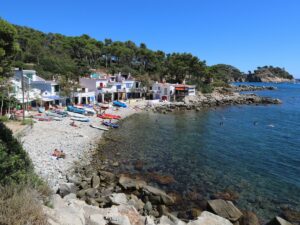
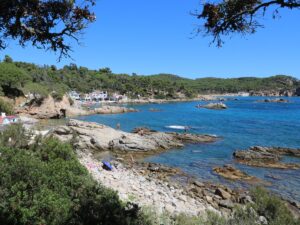
In 2004, the cove Cala s’Alguer that lies three kilometers northeast from Palamós was singled out from hundreds of coves in the Costa Brava and added to a list of places of national significance (Béns Culturals d’Interès Nacional).
The pueblo that formed here in the 16th century is still alive and well. Fishermen’s huts, boat sheds, fishing nets laid out for drying and repair, fish pots — not much has changed in three hundred years, besides fresh coats of paint on fishers’ houses.
Cala s’Alguer owes its unique cultural status not only to the town that has stood here for five centuries but also to its picturesque surroundings — a looming pine forest, a small cozy beach, and crystal clear Mediterranean waters.
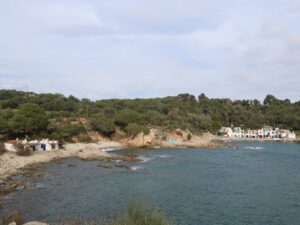
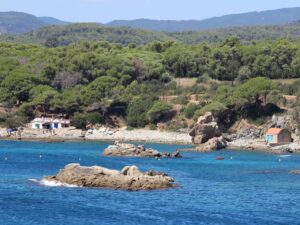
Cala s'Alguer
41.8619710000, 3.1517730000
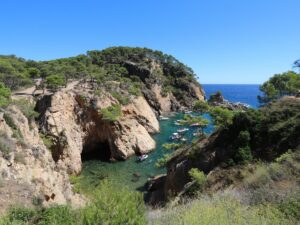
What’s the first thing you instinctively do when you encounter something unusual in nature while exploring? As a true citizen of the 21st century, you reach out for your smartphone or camera to capture the exciting discovery. But that’s today. What did people do in earlier times, when no cameras, phones or computers existed, but wondrous caves, awesome cliffs, striking waterfalls have already been found in abundance?
One way to capture the nature’s beauty is to tell legends about it.
At the very edge of the cape Punta del Molí in Palamós lies a stone called Pedra del Gegant, and a few meters away, the rock Sa Galera peeks out from the foamy waters. Both the stone and the rock haven’t been named so by accident — a long time ago, when Palamós was still a modest Roman colony and not a bustling summer resort, they played title roles in one very sad story.
There lived in the environs of Palamós a young guy, fabulously tall and strong, wealthy and pretty handsome, but with one serious fault — he was so sullen and glum that he was considered unsociable and shunned. Once, he was out hunting when he encountered the daughter of a local squire, a girl of rare beauty, and fell in love with her deeply. Despite his gloomy reputation, he managed to capture her heart and have his feelings answered in kind.
Young lovers met in secret to avoid gossip, but hiding the truth for long was impossible in the village. Once they were seen together on the Castell beach, and the news of the choice of his daughter reached the squire’s ears almost immediately. “No person, no problem” — he figured and assembled a galley to take the girl away to the safe and far-away Empúries.
The young man found out about the plan too late; when he came running to the cape, the galley has already departed. Not able to resign himself to the loss of his beloved, he started throwing large rocks at the boat. After the first few failed tries, one landed right on the skipper, killing him instantly. Having been left without its helmsman, the boat went adrift, collided with a coastal reef and began to sink. The giant ran up to the shore preparing to jump and save his love, but when he lept into the air his feet slipped and he fell into the water, not jumping even a meter into the sea.
Neither the giant young man nor the boat with its crew drowned, despite these unfortunate circumstances, but magically turned into stone, so even today we can stand witness to (and photograph) their dramatic showdown.
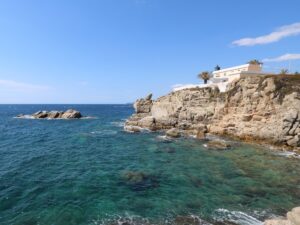
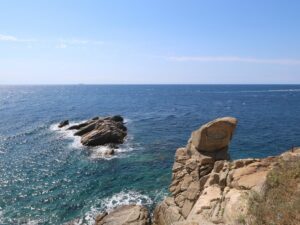
Cape Punta del Molí
41.8414150000, 3.1290970000
The house for Francesc Vilahur Forners was built in 1917 by the Girona architect Isidre Bosch i Batallé. In the 1950s and 1960s, the original structure was rebuilt slightly—the portico columns were doubled, while the entrance staircase was moved into the garden.
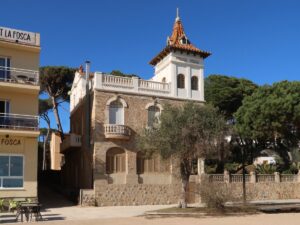
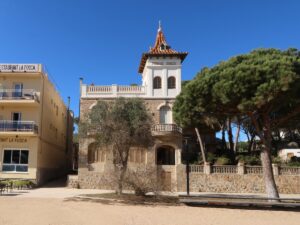
Casa Vilahur Mansion
41.8577200000, 3.1428060000
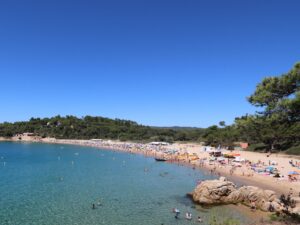
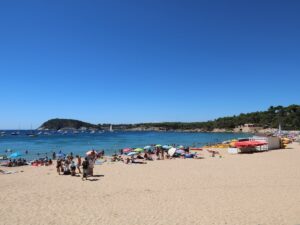
The Castell Beach (Platja del Castell) is a large sandy beach that lies to the north of Palamós, in a relative distance from residential areas. You can reach it by car (the nearby parking is paid in summer) or walk along Cami de Ronda from La Fosca beach for about 20 minutes. This spot is so popular in the Costa Brava that in 1994, in a referendum, the locals successfully rejected a proposal to build a golf course here.
In the near vicinity of the Castell beach, you can find several notable sights of the Costa Brava region: the Mas Juny estate, inseparable from several celebrity names of the 20th century, the Hut of Salvador Dalí that he, nonetheless, never used for painting, and the Iberian ruins of Castell (Poblat ibèric de Castell) that were located here from the 6th century B.C. to the 1st century A.D.
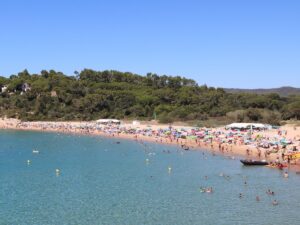
Castell Beach
41.8625080000, 3.1561620000
Directions: Walk along Camí de Ronda for 2 minutes from La Fosca beach.
Castle of Sant Esteve de Mar
41.8582860000, 3.1476700000
Address: Passatge Riera Bell-Lloc | 17230 Palamós, Girona
Phone: 972 31 62 03, 646 26 62 19
E-mail: reserves@brugarol.com
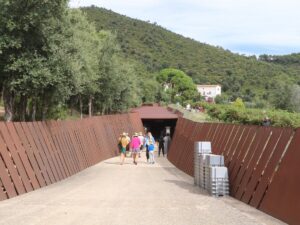
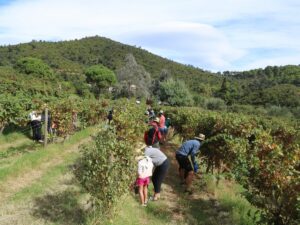
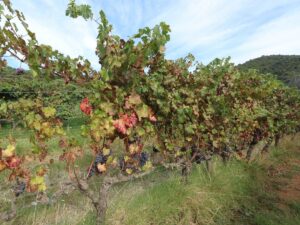
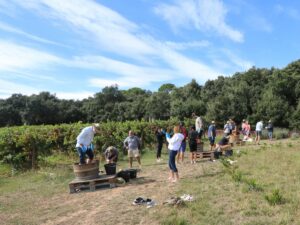
Winery tour duration: 1 hour
Tour cost: 18€ (wine and olive oil tasting included)
Min group size: none
Max group size: 8
Languages spoken: Catalan, Spanish, English, French
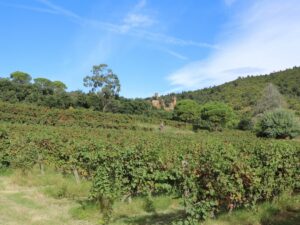
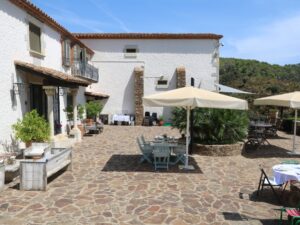
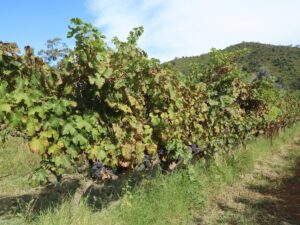
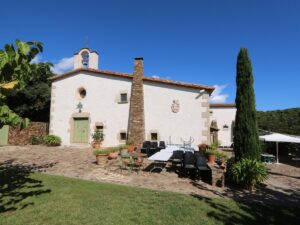
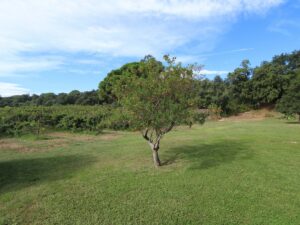
Celler Bell-lloc
41.8804880000, 3.1085720000
The Clock Bridge (Pont del Rellotge), laid over the rail tracks in Girona in 1878 between the Devesa park and Avinguda de Ramon Folch, moved to Palamós in 1963 to connect the town centre with the Balitra neighbourhood.
Out of all eight bridges that Gustave Eiffel had engineered for the Girona railway company, the Clock Bridge has travelled the most distance away from its original location — 45 km.
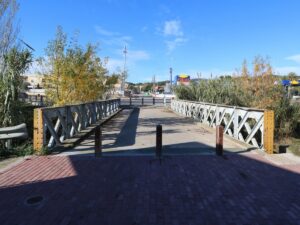
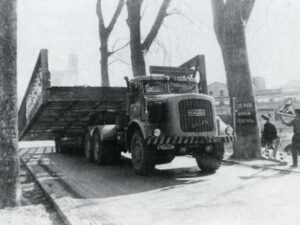
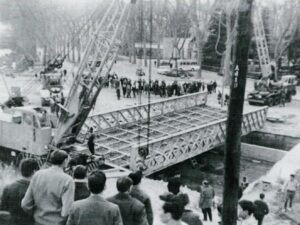
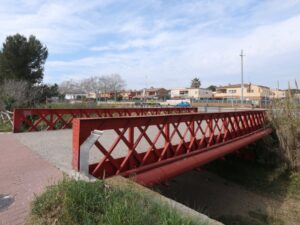
Eiffel's Bridge Pont de Mas Gorgoll
41.8545080000, 3.1190620000
Address: Paratge Vila Roma, Mas Pagès, 57 | 17230, Palamós, Girona
Phone: 972 319 138, 639 426 753
E-mail: elcellerdenmarc@gmail.com
Opening hours: 10:30 am to 1:00 pm (appointment required)
Winery tour duration: 2.5 hours
Tour cost: 12€ (tasting of 4 wines and olive oil tasting included)
Min group size: 2
Max group size: 15


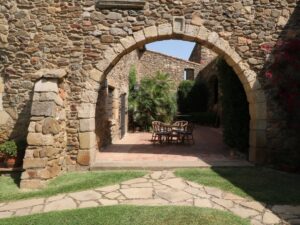
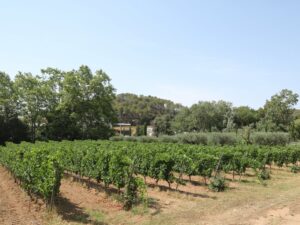
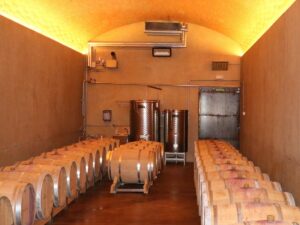
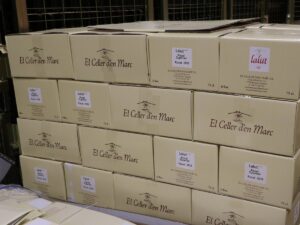


El Celler d'en Marc
41.8706860000, 3.1224320000
Phone: 972 316 203
www.fincabell-lloc.com
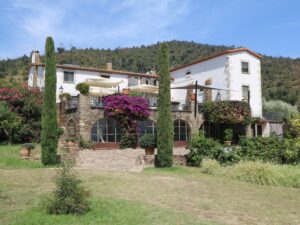
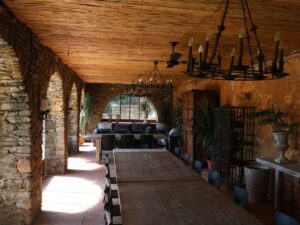
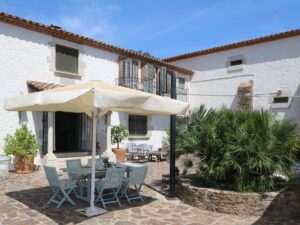
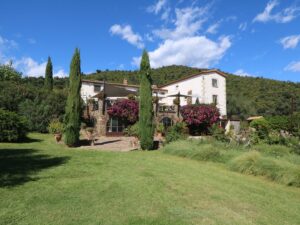
Finca Bell-lloc | Brugarol
41.8814340000, 3.1092130000