

Monument towns

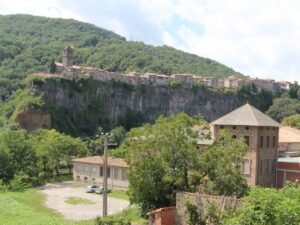
Mother Nature took her time creating this particular masterpiece. 217 000 years ago, a volcano eruption brought a wave of basalt lava from the south to the region, while 25 000 years ago, another wave rolled from the north. The rivers Fluvià and Turonell suddenly had masses of volcanic matter between them, which they have been dutifully filing down ever since. The result: a kilometre-long narrow rock with a vertical drop of 50 meters. When the time came for people to inhabit the area, the location was found to be perfect due to being easily defendable. A village called Castellfollit de la Roca has appeared on the world map.
Today, Castellfollit de la Roca is tiny, but it’s not even the smallest town in Catalonia — according to the 2016 census, it has a population of 970 people. Most of the employed residents have jobs elsewhere as opportunities for growth and industrial expansion within the town borders are limited. Those who are not employed pass the time in the gardens at the foot of the rock or gaze into the distance at its top.
Castellfollit de la Roca is found right in the middle of the Garrotxa natural park (Parc Natural de la Zona Volcànica de la Garrotxa) so it gets its fair share of visitors touring the picturesque surroundings of the area. Most tourists begin exploring Castellfollit de la Roca from its eastern part, the square Plaça de Josep Pla, a fantastic vantage point with beautiful panoramic views of the surrounding forests and the mountains.
A church standing nearby is Iglesia de Sant Salvador dating back to the 13th century. Not much has changed since then: the church looks fairly modern and acts not only as a place of worship but as a cultural centre with a local history museum and a photo gallery as well. Also here, the cardboard giants Roc (380 cm tall, 35 kg) and Barbara (362 cm tall, 33 kg) patiently await their next appearance at the festa mayor of the village. They have been “living” in Castellfollit de la Roca since 1966.
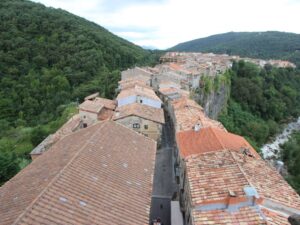
Climbing to the top of the church belltower will allow you to add another stunning view to the ones already seen from the square below — two rows of houses huddled together tightly, as if afraid to fall into the abyss. Castellfollit de la Roca has two bars and two restaurants, one of which – Can Llorenç – stands right on the edge, so terrace lunches are a thrill. Indulge in meat dishes, especially charcoal-grilled, but don’t expect too much variety (or freshness) from the fish offerings on the menu.
An unhurried walk around town takes about an hour and a half. Getting lost is a challenge but the route is well-marked nonetheless. The rock has nothing to offer to lovers of museums unless you come across the deli shop Museu de l’Embotit, which is well worth a stop for fantastic cured meats produced in the Garrotxa region.
Castellfollit de la Roca is 120 km away from Barcelona and makes a wonderful day trip for when you have already explored Monserrat, Reus, Girona and Colonia Güell.
Castellfollit de la Roca
42.2191890000, 2.5499130000
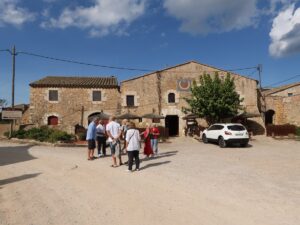
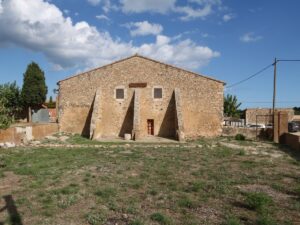
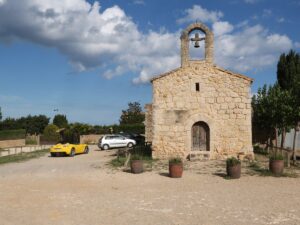
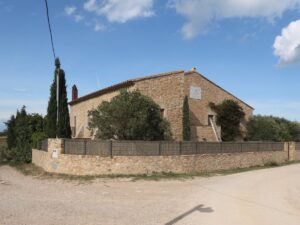
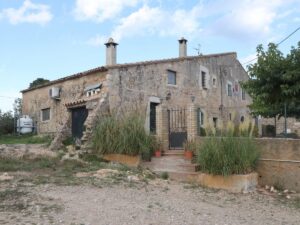
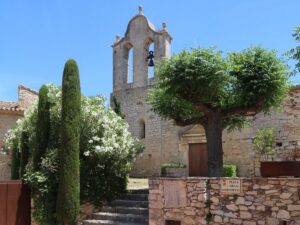
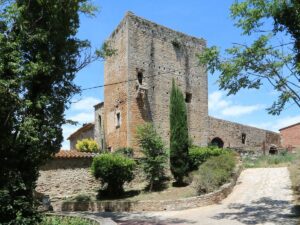
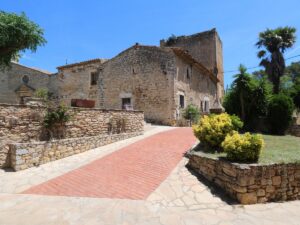
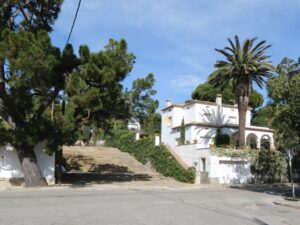
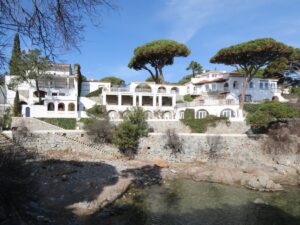

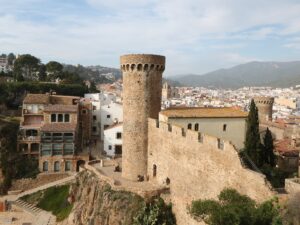
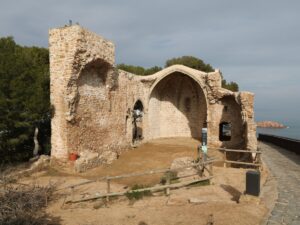
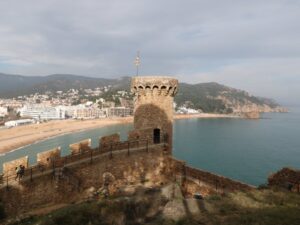
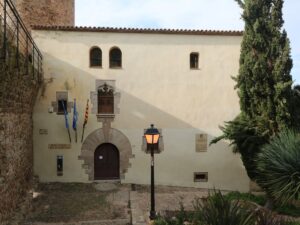
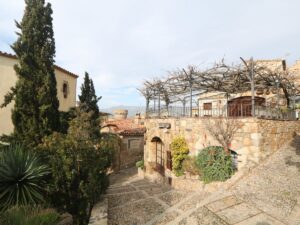
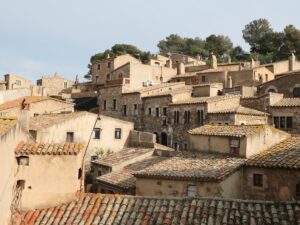
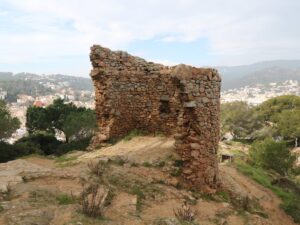
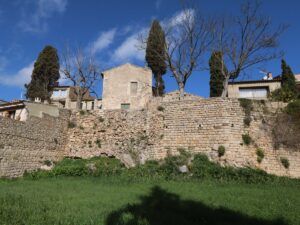
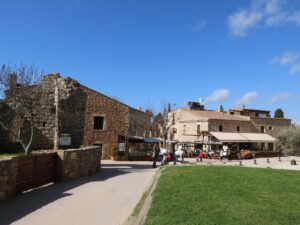
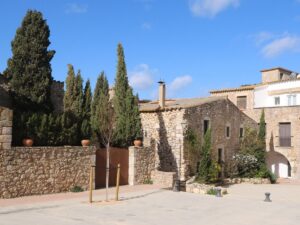
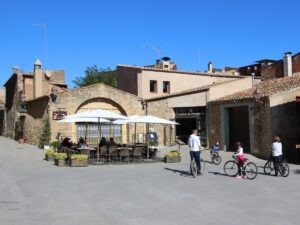
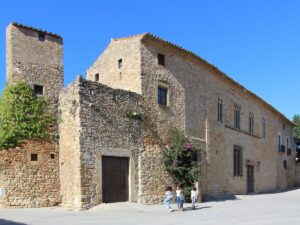
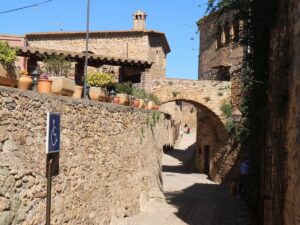
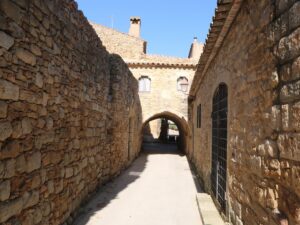
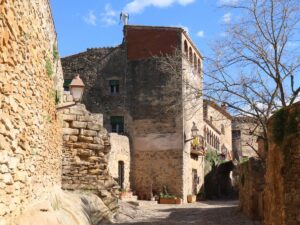
Quite the variety of towns and villages in Catalonia have survived till the modern age with their Medieval look and feel intact. These places typically really love tourists and welcome them year-round to show off the cultural and historical heritage that is lovingly and skillfully maintained. When describing a typical Medieval town of this sort, you will most likely use the adjective “charming”, and the town of Peratallada is perhaps the most charming of them all.
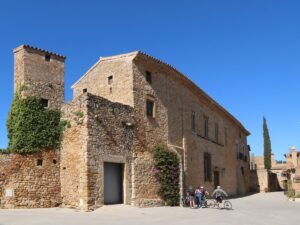
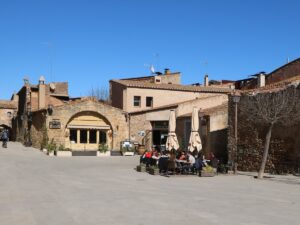
What sets Peratallada apart is the fact that it does not merely consist of an old town centre surrounded by newer neighbourhoods — everything you see within the town limits dates back to the Medieval times. Fewer than 500 inhabitants live in Peratallada today, but there has been life here since before the Roman times. The first written record of Peratallada dates back to the 11th century — in 1065, the archives made note of a local fortress, Castle of Peratallada (Castell de Peratallada).
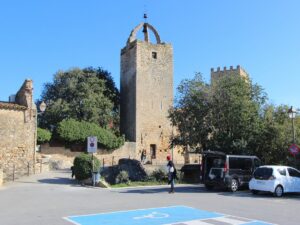
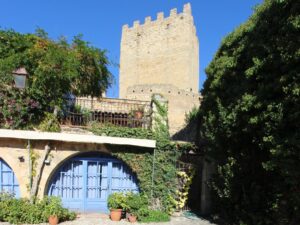
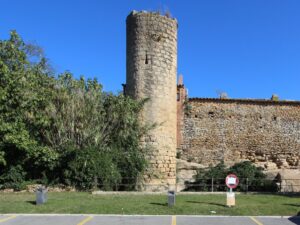
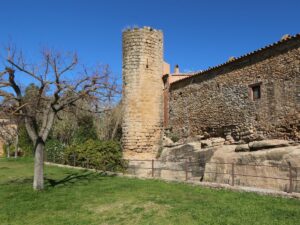
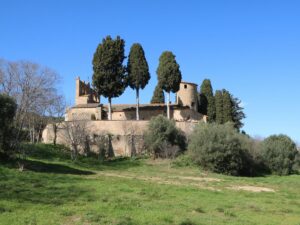
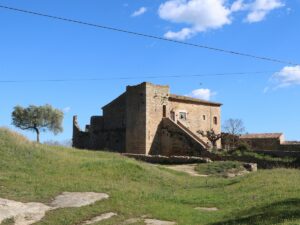
A quick visit makes it clear that the fortress has been built up and expanded in different times. For instance, the tower in its centre, Torre de l’Homenatge, is obviously older than the palace nearby that once served as an overnight residence of King Jaume I (in 1390). The pueblo has five towers in total: one with a clock (Torre de les Hores), one that pays homage (Torre de l’Homenatge), a westward tower (Torre Oest), a northern tower (Torre Nord) and a round tower (Torre de Planta Circular). Since Peratallada had grown outward from its fortress, not only the castle itself but the buildings next to it started needing protection, so another wall, surrounding the whole town perimeter, had been built, with a moat by the side of the Portal de la Verge to boot.
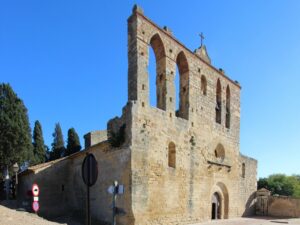
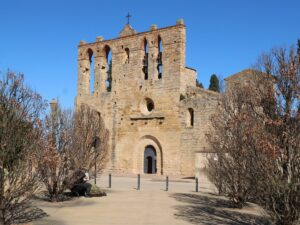
Another significant sight in Peratallada is the church of Sant Esteve (Església de Sant Esteve de Peratallada), built in the Romanesque style with two naves and a bell tower forming part of the facade of the church. Baron Gilabert de Cruïlles, the original owner of the lands on which Peratallada stands, is buried inside.
The best time to visit during low season is on Saturday or Sunday morning to early afternoon, which gives you a good two hours for sightseeing and an amazing choice of 17 (!) restaurants open for an unhurried lunch. (Other days of the week, their opening hours are far from guaranteed.) During high season, any day is a good day; furthermore, Peratallada is only 12 km away from the Costa Brava beaches, and staying in one of its 9 hotels is more economical than in Begur or Pals.
It is a real pleasure to discover small gems like Peratallada. There is plenty of time to study maps and booklets at the tourism office, pause at every sight and attraction, take a photo or two with each… you can’t NOT have enough time for so few of them, so savouring every moment becomes all the sweeter. Local holidays are a particularly good time to pay the town a visit:
- Festival of Herbs (Feria de las Hierbas) — the last weekend of April
- Habanero singing — July 27
- Fiesta Mayor (the town festival) — August 6-7
- The Medieval Market — the first weekend of October.
Peratallada
41.9790950000, 3.0895770000